China Top Blinds for Glass Doors What Are the Best Options?
Choosing blinds for glass doors involves more than matching colors to a room. The right option should fit the door’s movement, manage daylight, and provide the privacy you need. A sliding patio door, for example, has different clearance needs from a hinged French door. Small details matter.
This guide explores popular options available from Chinese manufacturers, including vertical blinds, roller shades, cellular shades, and panel-track systems. Each works differently. Vertical blinds can move aside for wide openings, while slim roller shades offer a cleaner look. Cellular shades may help limit heat transfer, but their performance depends on fabric, fit, and installation. No style is best for every home.
Before comparing products, measure the glass and frame carefully, then check how the door opens and where handles sit. Ask suppliers for fabric specifications, operating details, sample swatches, and clear warranty terms. These checks can make product comparisons more dependable, though they cannot replace a properly fitted installation. I should note that online descriptions sometimes use similar names for different materials, so confirm the exact construction before ordering. That step is easy to overlook.
The sections ahead explain how to compare privacy, light control, appearance, maintenance, and cost. They also highlight questions to ask when sourcing blinds for glass doors from China. With a few practical checks, you can narrow the choices without relying on a style trend alone.
What Are Blinds for Glass Doors and How Do They Work?
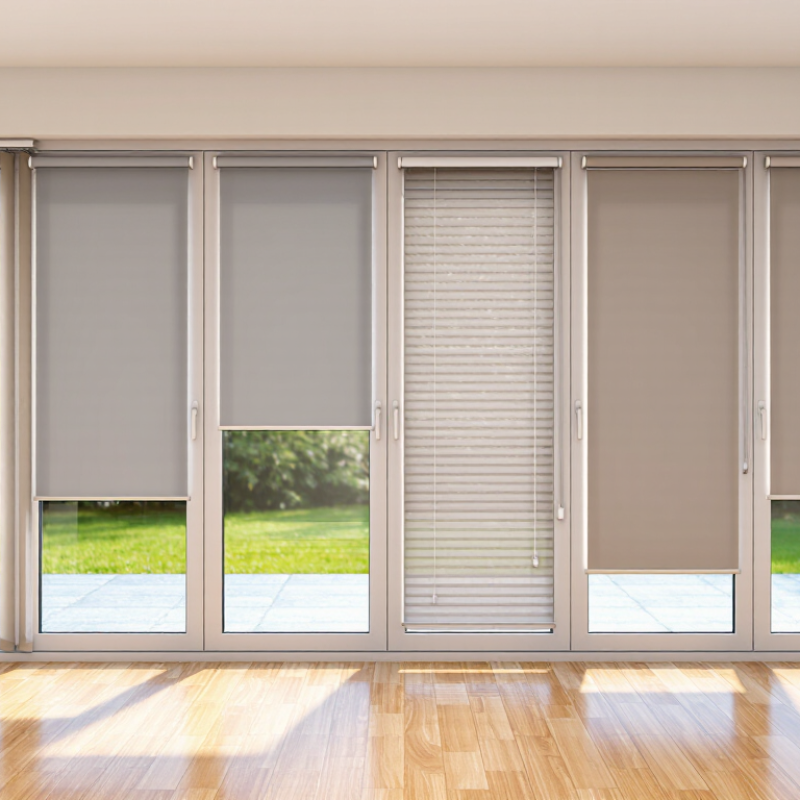
Blinds for glass doors are coverings sized for large glazed panels, including sliding patio and French doors. They control glare, privacy, and solar heat by changing how much daylight reaches a room. Common options include vertical blinds, roller shades, cellular shades, and blinds fitted between glass panes. Each works differently: vanes rotate or draw aside, rollers wind fabric onto a tube, and cellular shades trap air in honeycomb pockets. Between-glass systems use built-in or magnetic controls, keeping slats away from dust and curious hands. That matters.
Fit shapes daily performance. A shade that catches on a handle or blocks a door track can quickly become irritating. The U.S. Department of Energy’s Energy Saver guidance reports that properly installed cellular shades can reduce heat loss through windows by 40% or more, with about 10% lower heating-energy use. These figures are not guaranteed savings for every glass door or climate. Check glass dimensions, frame depth, handle clearance, and whether the panel slides or swings before choosing. I would be cautious about assuming “insulating” means a room will stay warm; gaps, sunlight, and frequent door use still matter. Not every door.
Which Blind Types Suit Different Glass Door Designs?
Sliding glass doors need coverings that move with the opening, not just look tidy. Vertical blinds suit wide patio doors because their slats draw sideways and leave the handle area accessible. Panel-track shades offer broader fabric panels, which can feel calmer in a large room. Check that the stack fits beside the door when fully open. Small detail, big difference.
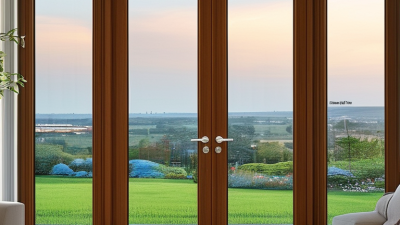
French doors often work well with slim roller or cellular shades mounted close to each glass panel. A shallow fit helps prevent fabric from catching on handles. For doors that swing inward, test the clearance before choosing a bulky headrail. I have seen careful measuring miss one thing: the handle’s full turn. It matters.
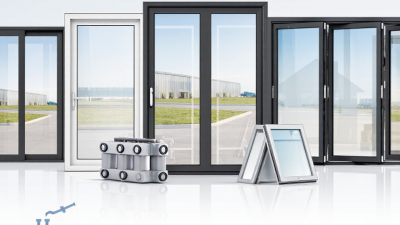
Bifold doors usually need a solution that folds or stacks neatly with each panel. Compact pleated shades can suit individual panes, while a single wide covering may obstruct the folded doors. For sunny rooms, consider a light-filtering fabric that softens glare without making the glass feel closed off. Blackout fabric is useful in bedrooms, though it may reduce the airy feel. There is no perfect match; door movement, frame depth, and daily access should guide the choice.
How Do Materials and Operating Systems Affect Performance?
For glass doors, material choice affects glare, privacy, cleaning, and heat near the glass. Solar screen fabric softens harsh daylight while preserving some outdoor visibility. Denser blackout fabric offers stronger privacy, but it can make a bright room feel noticeably darker. Wipeable synthetic materials handle fingerprints and occasional splashes better than delicate woven fabrics. Wood can look warm, yet sunlight and changing humidity may cause it to shift over time. A small sample beside the door helps reveal color and light differences.
The operating system matters just as much. Sliding panels suit wide doors because they move sideways and leave the doorway accessible. Vertical blinds can also clear the opening, though their slats may sway when the door moves. They can clack, too. Roller shades look neat, but a single shade may obstruct a frequently used handle or door track. Measure the handle, frame, and full opening before choosing a mounting position.
Manual controls are simple and need no power source. Cordless systems reduce loose loops and make adjustment easier, while motorized options are useful for tall or hard-to-reach glazing. Check where the control or motor sits, since even a slim component can interfere with a frame. In real rooms, perfect alignment is not guaranteed; uneven floors and slightly tilted frames can leave small gaps. Test operation with the door open and closed before final installation.
What Factors Matter When Choosing Blinds from China?
When choosing blinds for glass doors from China, check how the door opens before comparing styles. Sliding doors need coverings that move freely and do not drag across the floor. For hinged doors, measure the handle, frame, and space above the glass. Measure twice. A few millimeters can affect fit.
Tips: Send suppliers the exact glass and frame measurements, plus clear photos. Ask for a material sample and written details on fabric openness, cleaning, mounting hardware, and operating method. Small details matter. Confirm packaging and inspection arrangements before production, especially for wide or custom-sized blinds.
Consider sunlight, privacy, and indoor temperature together. A sheer fabric softens glare but may not block evening views. A denser fabric offers more privacy, though it can make a room feel darker. For doors used often, a simple control and sturdy headrail may be more practical than extra features. Request a drawing or specification sheet, then check that it matches your measurements. Compare lead times, shipping costs, and the process for handling defects in writing. Supplier descriptions can sound precise, but samples may reveal color or texture differences. That is easy to overlook.
Which Blind Options Best Match Your Room and Needs?
Choosing blinds for a glass door starts with how the room is used. For a bright living room, solar shades soften glare while preserving the view; for a bedroom, blackout roller shades offer stronger privacy. Sliding panels suit wide doors, but they need clear floor space and can feel awkward near furniture. Measure the full frame, handle clearance, and door swing before ordering.
Heat matters, too. The U.S. Department of Energy’s Energy Saver guidance estimates that windows account for about 25–30% of residential heating and cooling energy use. Its window-covering guidance reports that cellular shades can reduce window heat loss by 40% or more and unwanted solar heat gain by up to 60%. Those figures depend on fit, fabric, and installation. A small gap can weaken performance.
Match the control to daily habits. Cordless or motorized options may be easier to use on tall doors, while simple rollers are often less bulky. In kitchens, choose a wipeable fabric that tolerates splashes; near a patio, check that the blind does not obstruct the handle. I once underestimated how often a door gets opened. A neat-looking shade can become annoying when it catches on the frame.
China Top Blinds for Glass Doors: Which Options Best Match Your Room and Needs?
Vertical blinds and panel track blinds are often practical for wide glass doors because their panels move sideways. Roller and Venetian blinds offer flexible light control, while moisture-resistant materials can be a better fit for humid rooms. Ratings are indicative suitability scores from 1 (low) to 5 (high), based on typical product characteristics—not standardized test results. Actual performance varies by design, material, and installation.