The Window
& Door Store

What Are the Best Doors and Storm Doors for 2026?

The best doors and storm doors for 2026 depend on your home, climate, and budget—not just a product ranking. A well-fitted entry door can reduce drafts, improve security, and make a front entrance feel more solid. A storm door adds a layer of protection and may help with ventilation. That is the practical promise.

In 2026, compare materials, insulation details, hardware, warranties, and installation requirements. Fiberglass can resist dents and moisture, while steel often offers a sturdy, lower-maintenance surface. Wood has warmth and character, but it needs regular care. Small details matter. Check the threshold, weatherstripping, hinges, and sweep; a narrow gap can let in cold air or rain. Product labels and manufacturer performance data offer useful clues, but ratings do not tell the whole story. Fit and installation matter, too.

This guide will explain how to compare entry doors and storm doors for common home needs. It will consider energy performance, durability, appearance, ventilation, and cost without treating one material as right for every house. For storm doors, look at screen options, glass panels, closer hardware, and how easily panels can be changed. Measure the opening carefully, and confirm that the storm door works with the entry door’s handle and trim. No choice is perfect. A premium finish may need more upkeep than expected, and a budget model may feel less sturdy in daily use. The goal is a dependable match, not a flawless promise.

What Are the Best Doors and Storm Doors for 2026?

How Exterior and Storm Doors Differ in Purpose and Design

What Are the Best Doors and Storm Doors for 2026?
How Exterior and Storm Doors Differ in Purpose and Design

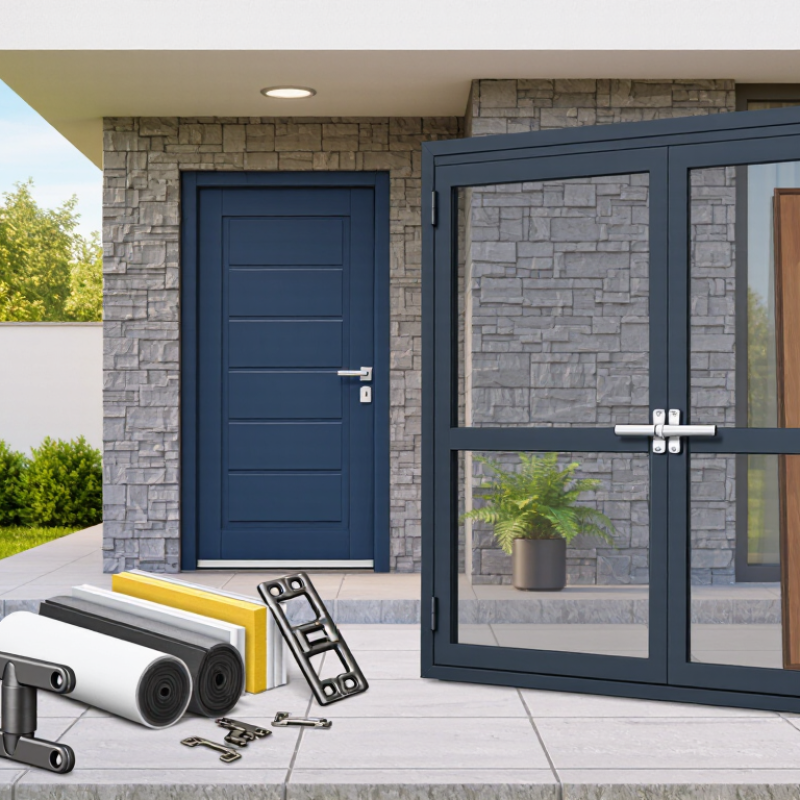
An exterior door is the main barrier between your home and the outdoors. It needs to fit securely, resist weather, and suit the opening. Its material, insulation, frame, and seals affect comfort and upkeep. A storm door is installed in front of it. Many models use a glass panel or screen, offering extra protection while allowing light or airflow. Different jobs, different designs.

Exterior doors are chosen for security, insulation, durability, and appearance. Storm doors focus more on ventilation and shielding the main door from rain, wind, and everyday wear. Full-view glass can brighten a shaded entry, while interchangeable panels may adapt to changing seasons. But an extra door is not automatically better. A poorly fitted storm door can make an entry feel crowded or interfere with the main door’s operation. Measure carefully, and check how both doors swing.

Tips: Look at the entry’s exposure before choosing. A porch that already shelters the main door may need little added protection. In a windy or rainy spot, sturdy frames and dependable seals matter more. Consider screen and glass options, too. A small detail, such as a handle that clears both doors, can prevent daily frustration.

Which Door Materials Best Balance Durability, Efficiency, and Cost

Fiberglass often balances durability, insulation, and moderate maintenance for an entry door. Its insulated core can limit heat loss, while the outer surface handles moisture and temperature swings. It rarely needs repainting. However, inexpensive models may feel less solid, and damaged skins can be hard to repair. Steel doors often cost less and provide good insulation, but dents and scratches can expose metal to rust. A thermally improved frame and tight weatherstripping matter as much as the door slab. Solid wood offers natural warmth and can be repaired, but sun and rain make regular finishing essential. That upkeep is easy to underestimate.

A storm door adds a buffer against wind and rain, and lets you use a screen for airflow. Aluminum frames are light and generally low-maintenance; sturdier frames may suit exposed entrances better. Full-view glass brings in light, while interchangeable screens improve seasonal ventilation. Still, a storm door cannot fix gaps around the main door. Measure the opening carefully, check that both doors can swing freely, and inspect the threshold for drafts. In sunny locations, trapped heat can affect the entry door’s finish, so follow the door maker’s clearance guidance. Installation quality can make a modest door perform better than a pricier one fitted poorly.

How to Compare Entry Doors, Patio Doors, and Storm Door Types

What Are the Best Doors and Storm Doors for 2026?

How to Compare Entry Doors, Patio Doors, and Storm Door Types

An entry door should match your climate, opening, and daily use—not just the style of your home. Steel doors can resist dents and provide a solid feel, while fiberglass often offers wood-like detail with less upkeep. Wood has natural character, but it needs regular protection from moisture and sun. Check the door’s insulation rating, frame condition, and locking hardware together; a well-insulated slab cannot compensate for gaps around the frame. Small details matter.

For patio doors, compare sliding and hinged designs. Sliding doors save floor space and suit narrow decks, but their tracks need occasional cleaning. Hinged doors create a broad opening, though they require room to swing. Look for secure multipoint locks, durable weather seals, and glass suited to your exposure. Measure the rough opening carefully. Even a small error can complicate installation.

Storm doors add a layer against wind and rain, but the right type depends on how you use the entry. Full-view models admit more daylight and can accept a screen insert; ventilating styles offer adjustable airflow. Retractable screens keep the view open when not needed, though their mechanisms may require more care. There is no perfect choice. Compare ventilation, visibility, maintenance, and clearance with the main door before deciding, and confirm that both doors can open freely without striking each other.

Comparing Common Residential Door Widths

A quick size comparison of common nominal widths for entry, storm, and patio doors.

These are common nominal product widths, not universal measurements. Available sizes vary by manufacturer and configuration; check the product specifications and measure the opening before choosing a door.

What Features Matter Most for Security, Weather Protection, and Ventilation

What Are the Best Doors and Storm Doors for 2026?

A good entry system balances security, weather protection, and ventilation rather than maximizing one feature. For security, check the door’s core, frame, hinges, and lock area together. A reinforced strike plate with long screws can help anchor the latch into the framing. A strong door in a weak frame is still a weak point. Small details matter. Look for a tight, even fit, and make sure the deadbolt moves smoothly without forcing it.

Weather protection depends heavily on installation. Continuous weatherstripping, a well-sealed threshold, and flashing that directs water away from the opening can reduce drafts and moisture. After heavy rain, check for damp corners or a swollen sill; those clues may point to a poor seal, not a door that needs replacing.

A storm door can add a buffer and help protect the main entry, while a screened panel allows airflow on mild days. Air still moves. Choose a panel arrangement that suits your climate and daily use, and confirm the door opens freely with both doors in place. One trade-off is easy to miss: extra glass can brighten an entry but may increase heat gain. Compare ventilation, shade, and insulation needs before deciding. Even quality materials cannot compensate for careless fitting.

How to Choose and Pair Doors for Your Home in 2026

Choosing an exterior door starts with the home, not a trend. Check the opening size, frame condition, sun exposure, and local weather before comparing materials. Fiberglass resists moisture and needs little upkeep, while steel can offer a sturdy, insulated option. Wood brings warmth but may need more frequent care. Look for a well-sealed frame and suitable energy-performance ratings. A beautiful slab is not enough.

Pair a storm door with the main door’s swing, finish, and daily use. A full-view glass panel can brighten a shaded entry, while a screen panel helps with airflow in mild weather. In a windy or rainy location, check the closer, hinges, and weather seals. Measure twice. Even a small clearance error can cause rubbing or a poor seal. Also confirm that both doors can open comfortably without blocking a step or walkway.

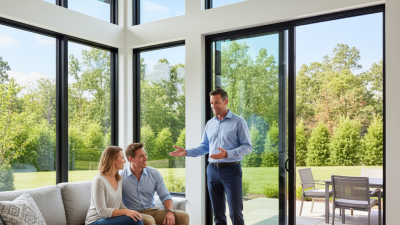
Tips: Match finishes loosely, not perfectly; nearby trim and hardware can tie different materials together. Ask an installer to inspect the frame and threshold before ordering. Their advice may change your plan, and that is worth considering. Door performance also depends on careful installation.

What Are the Best Doors and Storm Doors for 2026? — How to Choose and Pair Doors for Your Home in 2026
Main Door Type A Good Fit For Key Advantages Things to Consider Storm Door Pairing What to Check Before Buying
Insulated fiberglass Homeowners seeking a balance of insulation, low maintenance, and design flexibility. Resists rust and rot; many models have insulated cores and can be made with wood-look finishes. Quality and insulation vary by model. Some finishes and decorative details may increase the cost. A ventilating or retractable-screen storm door can add airflow when desired. A storm door may be unnecessary if the entry door and porch already meet your needs. Compare the complete door’s tested energy-performance information, weatherstripping, frame, glazing, and installation requirements.
Insulated steel Budget-conscious entries where security and a durable, paintable surface are priorities. Steel skins are strong and typically need little routine maintenance; insulated models can help limit heat transfer. The surface can dent, and damaged paint may need prompt repair to help prevent corrosion. Thermal performance depends on the full assembly. A full-view or ventilating storm door can provide a screen and help shield the entry from weather. Check that the added door will not interfere with the handle or trim. Check for a thermally efficient frame, continuous weather seals, suitable hinges and lock hardware, and a finish appropriate for the exposure.
Solid wood Traditional homes and entries where natural grain, repairability, or architectural character is important. Offers an authentic wood appearance and can often be refinished. Available in a range of species and panel designs. Requires finish maintenance and can swell or shrink with changes in moisture and temperature. Insulation varies by construction. A ventilating storm door can provide a screen while helping protect the wood finish from direct weather exposure. Confirm the door is suitable for exterior use, has an appropriate finish on all sides and edges, and is installed with correct clearances and weather seals.
Composite or engineered exterior door Entries where resistance to moisture-related movement and a low-maintenance surface are priorities. Some constructions resist rot and dimensional changes better than untreated wood; finishes and insulation depend on the product. “Composite” covers different materials and constructions, so performance cannot be assumed from the label alone. A screen or ventilating storm door can add seasonal ventilation. Confirm that the door materials and finish are approved for the amount of sun exposure. Review the manufacturer’s material description, exposure limits, care instructions, warranty conditions, and whole-door performance data.
Glazed entry door Entries where daylight and a view are desired, including doors with decorative glass or sidelights. Glazing can bring natural light into the entry; insulated glass units can reduce heat transfer compared with single glazing. More glass can reduce privacy and may affect heat gain, heat loss, and security. Glass performance depends on its specification and area. A full-view storm door preserves the view and can add a screen; choose compatible glazing and ventilation options for the site. Check glass safety requirements, insulated-glass specifications, privacy needs, orientation to the sun, and the entry’s air sealing.
Full-view storm door Entries where maintaining daylight and the appearance of the main door is important. Large glazed area offers a clear view; many models allow a screen panel to be installed or swapped seasonally. Large glass panels can be more exposed to impact and direct sun. A storm door does not replace a properly sealed, weather-resistant main door. Pairs well with fiberglass, steel, wood, or glazed main doors when frame depth, hardware clearance, and sun exposure are suitable. Measure the opening, check the mounting surface and handle clearance, and follow the maker’s guidance for the main door’s material and exposure.
Ventilating storm door Homes that need adjustable airflow and insect screening during suitable weather. Operable glass and screen sections let occupants choose between ventilation and a more enclosed configuration. Moving panels and screens need occasional cleaning and inspection. Ventilation depends on safe weather and an operable main door. Useful with solid or glazed main doors where seasonal airflow is desired; select an opening style that does not block entry hardware. Check screen arrangement, panel operation, locking method, closer adjustment, and whether the door can be secured in the open position.
Retractable-screen storm door Entries where a screen is wanted at times but an unobstructed glass view is preferred at other times. The screen retracts when not in use, keeping the opening visually clearer than a permanently exposed screen. The screen mechanism requires careful use and may need maintenance or repair. It is not a substitute for a security door. Pairs with a range of main-door materials when the frame and operating hardware have adequate clearance. Try the screen operation, check replacement-screen availability and care instructions, and verify the unit fits the opening.
Security storm door Entries where an additional lockable barrier and airflow through a screened opening are desired. Can add a separate locking point and a ventilating screen, depending on the design and installation. Security depends on the complete unit, frame attachment, lock, and surrounding structure. It does not guarantee protection against forced entry. Can pair with most main-door types if the combined hardware, swing, and frame installation are compatible. Review the locking system, frame and fastener requirements, screen configuration, emergency egress needs, and local building requirements.

Selection note: There is no single best door for every home. Compare whole-door performance data rather than relying on material names alone, and use a storm door when its screening, ventilation, or added weather protection is useful. Before pairing doors, verify fit, hardware clearance, installation instructions, and sun exposure; some combinations can trap heat, so follow the door manufacturers’ guidance.