
Home / Blog
Choosing Stainless Steel Plates for global sourcing requires more than comparing prices, thicknesses, and delivery dates. Buyers must connect technical requirements with real operating conditions. A plate used near seawater faces different risks from one installed inside a dry food-processing room. Chlorides, welding methods, surface finish, heat exposure, and cleaning chemicals can change performance significantly.
Pierre-Jean Cunat, a recognized stainless-steel author and technical specialist, states, “Stainless steel is selected for its corrosion resistance, not because it is immune to corrosion.” That reminder deserves attention. Stainless Steel Plates can stain, pit, warp, or fail when buyers choose grades from habit rather than evidence. Small details matter. A rough surface may trap contaminants. An incorrect heat number may complicate traceability. A mill certificate may look complete but still require verification against the purchase specification.
This guide examines grade selection, plate dimensions, surface finishes, standards, inspection documents, and supplier capability. It also considers practical sourcing issues, including packaging, export handling, and communication across time zones. Experienced buyers should request test certificates, review tolerances, and confirm whether the producer can support repeat orders. Yet even careful sourcing has weak points. Specifications may be unclear, inspection samples may be limited, or delivery assumptions may prove optimistic. That is why a reliable decision combines engineering judgment, documented evidence, and direct supplier questions. The cheapest plate is not always the lowest-cost choice. Often, the expensive mistake appears later.
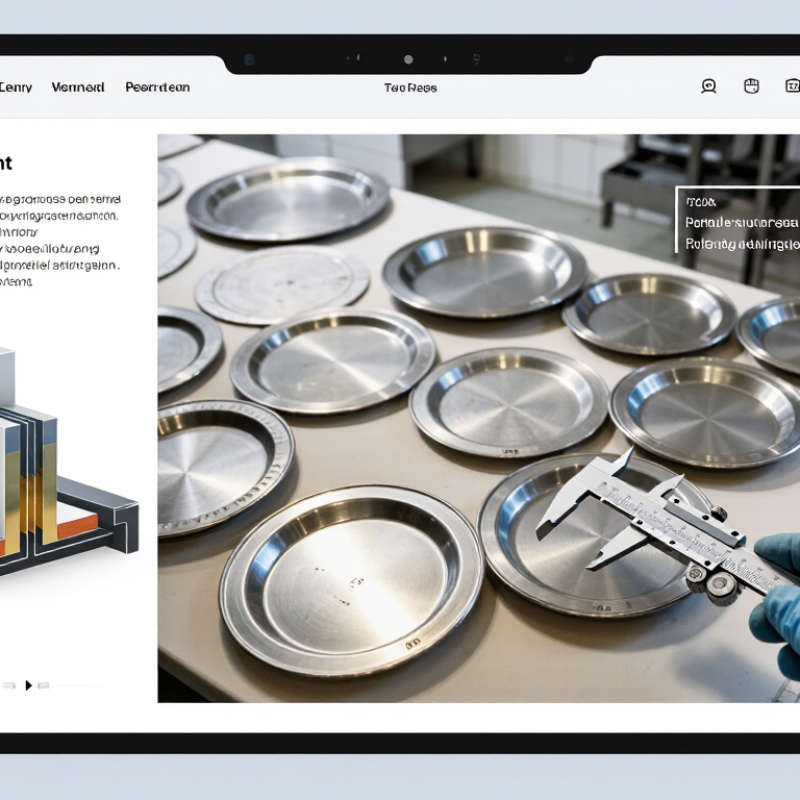
Choosing stainless steel plates for global sourcing starts with accurate grade identification. Grade affects chemistry, corrosion resistance, strength, and fabrication behavior. Austenitic 304 suits many indoor and food-processing applications. Grade 316 performs better in chloride-rich environments. Duplex grades offer higher strength, but welding requires tighter control. I have seen buyers compare only prices, then discover early staining near coastal equipment. That mistake is expensive.
An international order should name the standard and product condition. ASTM A240 commonly covers stainless steel plate for pressure vessels and general applications. EN 10088 defines European stainless steel designations and technical requirements. JIS G4304 may appear in Asian supply chains. These systems are not interchangeable by number alone. For example, 1.4401 and 316 are often associated, but the specification still needs chemistry, thickness tolerance, surface finish, and testing requirements. Ask for the mill test certificate. Check heat-number traceability. Do not rely on a grade printed only on a quotation.
Before approval, match the grade to the service environment. Record chloride exposure, temperature, forming method, weld details, and required finish. Specify solution annealing where necessary. Add ultrasonic or mechanical testing when risk justifies it. A plate can meet one standard and still fail in the actual application. I would request a sample certificate and review its units carefully. Small errors happen. Recheck them.
How to Choose Stainless Steel Plates for Global Sourcing
Match plate properties to the intended application, not merely the lowest quoted price. A plate exposed to saltwater needs strong pitting and crevice-corrosion resistance. A furnace component needs stable mechanical performance at elevated temperatures. For welded structures, low-carbon grades can reduce sensitization risks after fabrication. Thickness also matters. A 6-millimeter plate may suit a formed enclosure, but it can fail under concentrated structural loads.
The global market is broad. Worldstainless reported approximately 58.4 million tonnes of stainless crude steel production in 2023. The USGS Mineral Commodity Summaries 2024 reported global mined nickel production near 3.6 million tonnes that year. These figures show why alloying costs can shift quickly. Nickel-rich grades may provide excellent corrosion resistance, yet leaner alloys can offer better cost stability for less aggressive environments. This is where my own sourcing reviews sometimes become uncomfortable: a familiar grade is not always the technically honest choice.
Tips: Build a property-to-application table before requesting quotations. Record chloride exposure, temperature, forming method, weld design, surface finish, and required thickness. Check chemical composition, tensile strength, elongation, impact data, and dimensional tolerances against ASTM A240 or EN 10088. Ask for heat numbers and mill test certificates. Verify them independently when possible. Do not accept “marine grade” as a complete specification. It is too vague. Pilot-forming one sample can reveal cracking, distortion, or finish defects before a container is shipped.
| Common Grade | Material Family | Typical Chemical Composition (% by mass) | Minimum Mechanical Properties (Annealed Plate, Typical ASTM Values) | Corrosion and Temperature Profile | Recommended Applications | Surface and Fabrication Notes | Global Sourcing Checks |
|---|---|---|---|---|---|---|---|
| 304 / 304L | Austenitic stainless steel | Chromium: 18.0–20.0% Nickel: 8.0–10.5% Carbon: ≤0.03% for 304L | Tensile strength: approximately 485 MPa minimum Yield strength: approximately 170 MPa minimum for 304L Elongation: approximately 40% minimum | Good general atmospheric and chemical corrosion resistance. Suitable for many food-processing and indoor industrial environments. Not normally preferred for sustained chloride exposure or seawater service. | Food equipment Kitchen equipment Architectural panels Tanks General fabrication | Commonly supplied in No. 1, 2B, BA, No. 4, and polished finishes. 304L is preferred where welding is extensive because its lower carbon level reduces the risk of weld sensitization. | Confirm whether the purchase specification requires 304 or 304L, the applicable standard, heat-treatment condition, surface finish, flatness, and impact of nickel-price fluctuations on quotation validity. |
| 316 / 316L | Molybdenum-bearing austenitic stainless steel | Chromium: 16.0–18.0% Nickel: 10.0–14.0% Molybdenum: 2.0–3.0% Carbon: ≤0.03% for 316L | Tensile strength: approximately 485 MPa minimum Yield strength: approximately 170 MPa minimum for 316L Elongation: approximately 40% minimum | Better resistance than 304 to chlorides, pitting, and many chemical environments because of molybdenum. It is not immune to seawater corrosion and may still require specialized grades or protective design. | Marine components Chemical processing Pharmaceutical equipment Coastal architecture Medical equipment | Good weldability and formability. 316L is widely selected for welded assemblies. Clean handling is important because embedded carbon steel particles can cause surface staining. | Verify molybdenum content by mill test certificate, especially for chloride service. Check whether the destination market requires ASTM A240, EN 10088-2, or another recognized product standard. |
| 430 | Ferritic stainless steel | Chromium: 16.0–18.0% Nickel: generally residual or very low Carbon: typically ≤0.12% | Tensile strength: approximately 450 MPa minimum Yield strength: approximately 205 MPa minimum Elongation: approximately 22% minimum | Good resistance to oxidation and mild atmospheric corrosion. Lower resistance to chloride, acidic, and highly corrosive environments than 304 or 316L. | Appliance panels Automotive trim Kitchen backsplashes Decorative panels Exhaust components | Magnetic in the annealed condition. Generally lower nickel exposure can make it economically attractive. Formability and weldability are more limited than those of common austenitic grades. | Confirm magnetic behavior, surface appearance, forming requirements, and corrosion expectations. Do not substitute 430 for 304 when the design involves frequent condensation, salt, or chemical exposure. |
| 2205 | Duplex stainless steel | Chromium: 22.0–23.0% Nickel: 4.5–6.5% Molybdenum: 3.0–3.5% Nitrogen: 0.14–0.20% | Tensile strength: approximately 620 MPa minimum Yield strength: approximately 450 MPa minimum Elongation: approximately 25% minimum | High strength and strong resistance to chloride pitting, crevice corrosion, and stress-corrosion cracking compared with 304 and 316L. Service temperature and welding procedures must be controlled. | Pressure vessels Oil and gas equipment Desalination systems Chemical tanks Marine structures | Magnetic because of its ferritic phase. Requires controlled heat input and suitable filler selection during welding to maintain the intended austenite-ferrite balance. | Request phase-balance, solution-annealing, corrosion-test, and mechanical-test documentation where required. Confirm design-code approval and welding qualifications before replacing an austenitic grade. |
| 904L | High-alloy austenitic stainless steel | Chromium: 19.0–23.0% Nickel: 23.0–28.0% Molybdenum: 4.0–5.0% Copper: 1.0–2.0% | Tensile strength: approximately 490 MPa minimum Yield strength: approximately 220 MPa minimum Elongation: approximately 35% minimum | Very high resistance to sulfuric acid and many aggressive chemical environments. Performance depends on concentration, temperature, impurities, and operating conditions. | Chemical processing Acid-handling equipment Pollution-control systems Specialized tanks | Non-magnetic in the annealed condition and weldable with suitable procedures. Higher alloy content increases material cost and makes substitution without engineering review inappropriate. | Obtain application-specific corrosion advice, full chemistry results, heat-treatment records, and traceability documents. Confirm that the required standard explicitly covers 904L plate. |
| 410 | Martensitic stainless steel | Chromium: 11.5–13.5% Carbon: up to approximately 0.15% Nickel: generally low or residual | Mechanical properties vary significantly with heat treatment. Strength can be substantially higher than annealed austenitic grades, while ductility and corrosion resistance are lower. | Moderate atmospheric and wear resistance. Can be hardened by heat treatment, but it is less corrosion-resistant than 304, 316L, and duplex 2205. | Wear-resistant parts Pump components Valves Industrial hardware Moderate-temperature equipment | Magnetic and heat-treatable. Welding may require preheating, controlled interpass temperature, and post-weld treatment depending on thickness and service requirements. | Specify hardness, heat-treatment condition, tensile requirements, and welding procedure. Avoid selecting 410 solely by nominal chromium content when corrosion resistance is the primary design criterion. |
When sourcing stainless steel plates globally, write every dimension in millimeters and inches. Do not guess.
State the required length, width, and thickness separately. Include acceptable tolerances, flatness limits, and edge conditions. A plate listed as 2,000 × 1,000 × 6 mm may still fail if the tolerance is unclear. Confirm whether dimensions apply before or after cutting. Specify plate weight limits when handling equipment is restricted. Request drawings for unusual shapes or drilled features.
Thickness needs special attention. Nominal thickness is not always the delivered thickness. Define the permitted range and measurement method. Ask suppliers to provide inspection records, material certificates, and heat numbers. Independent verification can compare several points across the plate, not only the center. Small errors multiply.
Surface finish should describe both appearance and function. Name the finish designation, roughness target, protective film requirement, and cleaning condition. A bright decorative surface may not suit welding or heavy forming. State whether scratches, discoloration, and weld marks are acceptable. Include photos or a physical reference sample when appearance matters. Images can mislead.
I once treated surface finish as a minor detail. That shortcut caused rework and delayed shipment. Review the specification with production, quality, and receiving teams before placing an order. Also confirm the inspection standard used by the supplier. Different interpretations can create disputes, even when the plate matches the basic dimensions. Clear wording is cheaper than corrective cutting, polishing, or replacement.
When sourcing stainless steel plates globally, supplier verification should come before price comparison. Ask for the factory’s legal registration, production scope, and recent quality records. A polished website proves little. Request samples from the same heat or batch as your planned order.
Review the material test certificate carefully. It should identify the grade, heat number, chemical composition, mechanical results, thickness, and testing standard. For many industrial purchases, an EN 10204 3.1 certificate offers useful traceability. Confirm that an independent laboratory can verify the supplier’s testing process. I once focused too heavily on surface appearance. The plates looked excellent, but the paperwork lacked batch-level evidence. That mistake was expensive to correct.
Tips: Compare the certificate with the plate markings, packing list, and invoice. Check whether the stated grade matches your drawings and service conditions. Confirm export documents, country-of-origin details, HS classification, and packaging requirements before production. Ask who handles customs communication and how damaged cargo is reported. Certification names can sound impressive. Verify their scope and validity. Do not accept copied documents without checking issuing bodies. A pre-shipment inspection can measure thickness, dimensions, surface defects, and quantity. It cannot replace a trustworthy supplier system, but it can expose preventable errors. Leave room for doubt. That is often where better sourcing decisions begin.
Choosing stainless steel plates globally requires more than comparing the quoted price per tonne. Include cutting, surface protection, inspection, inland transport, insurance, duties, financing, and possible rework. A cheaper plate may become expensive after delays or rejected tolerances.
UNCTAD reports that over 80% of global merchandise trade by volume moves by sea. Therefore, port congestion, container availability, and transshipment routes can materially affect landed cost. Request a shipment plan with loading port, destination port, estimated transit time, and buffer days. The World Bank’s 2023 Logistics Performance Index also highlights customs efficiency, infrastructure, and shipment tracking as major logistics factors. These details deserve contractual attention.
Delivery terms need careful comparison. Under FOB, the buyer usually controls the main ocean freight. Under CIF, the seller arranges freight and insurance, but risk transfers earlier than many buyers expect. Always confirm the agreed Incoterms rule, named place, insurance scope, and responsibility for demurrage. Payment terms also influence working capital. Thirty extra days can matter when prices fluctuate.
Tips: Compare landed cost, not unit price. Ask for two freight quotations. Specify thickness, grade, flatness, edge condition, packing, and test certificates. Keep a written tolerance sheet. It prevents arguments later.
One practical warning remains. Forecasts are imperfect. A supplier’s delivery estimate may exclude port waiting time, public holidays, or inspection delays. Build a realistic buffer, then review it after every shipment.
Compare total landed cost, logistics, and delivery terms for 304 stainless steel plate, 2 mm thickness, based on one metric tonne shipped by ocean freight.
The indicative benchmark shows how responsibility for inland transport, ocean freight, insurance, customs, and destination handling increases the delivered cost from EXW to DDP. DDP offers the simplest import process, while FOB and CIF can provide better cost control when the buyer has established logistics and customs capabilities. Prices exclude recoverable VAT and are intended for sourcing comparison.