
Home / Blog
Choosing the best custom photo frames from China requires more than comparing factory prices. Global buyers need dependable materials, clear communication, and consistent production control.
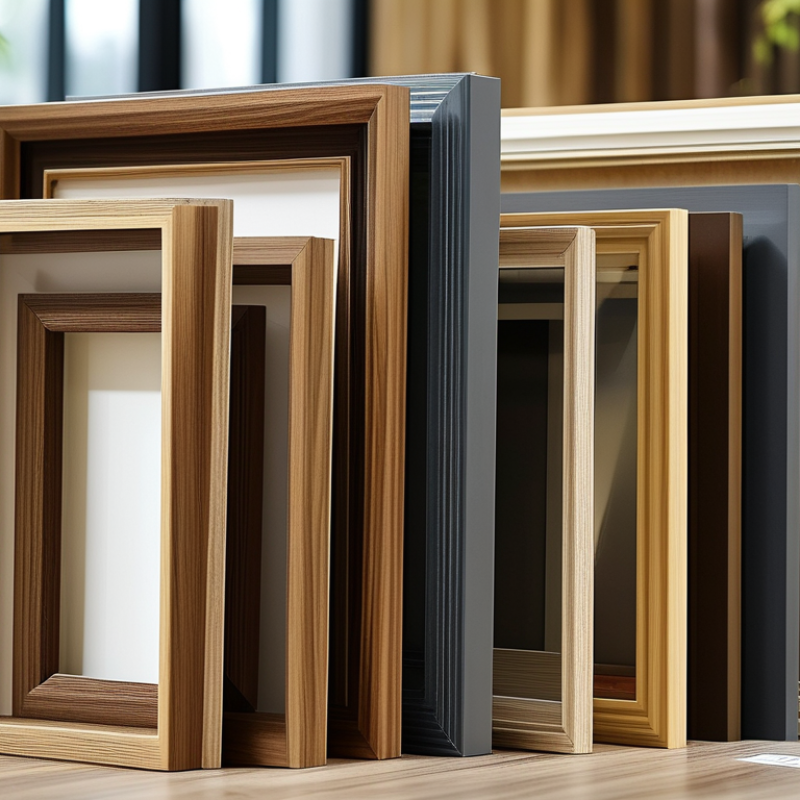
China’s framing industry offers many options, from lightweight MDF and acrylic to solid wood, aluminum, and handmade finishes. Each material creates a different customer experience. A walnut-style frame may suit wedding photography, while slim aluminum frames often fit modern galleries and retail displays. In practice, samples reveal details that catalogs cannot show. Check the corner joints, glass clarity, backing strength, hanging hardware, and surface finish under natural light.
Small details matter.
Experienced buyers should request a physical sample before approving a larger order. They should also confirm dimensions, packaging methods, color references, lead times, and inspection standards in writing. Reliable suppliers can explain their production process and provide relevant business documentation, product specifications, and quality records. However, a polished website does not prove factory capability. That assumption deserves scrutiny.
Packaging deserves equal attention. A beautiful frame can arrive damaged if each corner lacks protection or cartons are poorly stacked. Buyers should test packaging strength and review shipping arrangements before production begins. Custom branding, inserts, and retail-ready boxes may increase value, but they also require accurate artwork and careful approval. The cheapest quotation is rarely the safest choice.
There may be no single best supplier for every market. The right partner depends on design, order volume, budget, delivery expectations, and customer preferences. This guide examines practical sourcing factors, supplier evaluation methods, material choices, quality checks, and common mistakes. Its purpose is simple: help global buyers make informed decisions with fewer surprises.
Best Custom Photo Frames from China for Global Buyers?
Chinese custom photo frames suit global buyers because production can combine flexible design, material choices, and export-ready processes. Buyers can request specific sizes, finishes, mounts, and protective packaging. A 30 x 40 centimeter frame may use clear acrylic, a wood-look surface, and adjustable hanging hardware. These details help retailers serve different interior styles and customer budgets.
Practical quality checks matter more than attractive product images. A professional buyer should inspect frame corners, surface consistency, glass clarity, backing strength, and hardware placement. Sample approval should include exact dimensions and color references. Packaging also needs attention. Foam corner guards, moisture-resistant wrapping, and strong cartons can reduce damage during long-distance transport. Country-specific labeling requirements should be confirmed before production.
Communication is another reason Chinese suppliers can support international projects. Many factories understand specification sheets, inspection photos, barcode placement, and container loading plans. Still, the process is not automatically smooth. A color approved on a screen may look warmer under showroom lighting. One millimeter of size variation can affect a fitted print. Small mistakes happen. Buyers who document tolerances, approve a physical sample, and inspect random cartons usually gain better control. That discipline is useful, though it can slow the first order.
Material choice shapes both appearance and shipping risk. Solid wood offers visible grain and a warm, premium feel. MDF with veneer can reduce cost and improve size consistency. Aluminum frames are lightweight, clean, and suitable for modern interiors. For humid destinations, buyers should request moisture-resistant backing and protective packaging.
Style should match the photograph, not only current trends. Minimal black frames suit galleries and office walls. Deep shadow-box designs protect layered artwork and small objects. Ornate profiles work well for wedding portraits and traditional interiors. Common sizes include 4×6, 5×7, 8×10, and A4, but custom dimensions are widely available. Confirm both frame size and visible opening. They are not always identical.
Customization may include colors, surface finishes, mat boards, logos, hanging hardware, and retail packaging. Request a physical sample before approving bulk production. Digital previews can hide grain variation, glass reflections, or slight color shifts. That matters. A reliable supplier should provide material specifications, tolerance ranges, packing photos, and pre-shipment inspection records. I also recommend testing corner joints, backing strength, and wall fittings. Small defects become expensive after international delivery, especially when cartons lack edge protection. A careful buyer should leave room for improvement, because the first sample rarely answers every practical question.
Buying custom photo frames from China requires more than comparing catalog prices. Evaluate the manufacturer’s process, communication, and evidence of consistent quality. Ask for factory photos, material specifications, and recent samples made to your dimensions. A serious supplier should explain wood, metal, acrylic, glass, backing, and finishing options clearly. Request a physical sample before approving bulk production. Small details matter. Check corner joints, surface smoothness, hanging hardware, and whether the frame sits flat.
A useful quality review starts with measurable requirements. Specify frame size, tolerance, color reference, packaging method, and acceptable defect limits. Then compare the sample with those requirements under normal indoor light. Look for uneven paint, loose joins, cloudy acrylic, sharp edges, or weak protective film. I have found that photographs can hide warping and inconsistent texture. Hands-on inspection reveals more. It is easy to overvalue polished communication; production records and inspection reports deserve greater weight. Ask how the factory handles rework, replacement units, and changes after approval.
Reliable evaluation also includes operational checks. Confirm production capacity, lead times, carton testing, labeling accuracy, and export documentation. Independent pre-shipment inspection can reduce surprises, especially for large or mixed-size orders. Still, inspection is not magic. A rushed sample, unclear tolerance, or vague material name should remain a warning. Suppliers should answer technical questions without pressure. Keep approved samples, written specifications, and dated messages in one file. That record supports fair decisions when a shipment differs from expectations. Some buyers skip this step. They often regret it when quality varies between cartons.
For global buyers, a custom photo frame starts with a usable design brief. Send dimensions, artwork, material preferences, finish, glazing, backing, and mounting details. Reference images help, but they cannot replace measured drawings. Experienced factories check corner joins, tolerances, insert depth, and hanging hardware before quoting. A clear proof shows the frame profile, color, logo placement if applicable, and packaging marks. Keep it simple. This reduces expensive corrections later.
Sampling turns the digital idea into a physical frame. The production team cuts profiles, assembles a sample, and checks surface texture under neutral light. Color can shift between screens and real materials. Ask for approval photos and, when necessary, a mailed sample. Inspect miters, glass edges, backing strength, and print alignment. One overlooked millimeter can affect the whole presentation. No sample is perfect. However, unexplained variation deserves a written response and a corrective plan.
After approval, controlled production begins. Workers inspect incoming materials, monitor assembly, and record defects by batch. A reliable quality check includes dimensions, finish consistency, hardware function, and artwork protection. Before packing, each frame should be wrapped against scratches, separated with corner guards, and placed in a sturdy carton. For larger shipments, reinforced cartons and moisture control may be sensible. Packaging is not an afterthought. It is part of the product. Buyers should review carton tests, loading photos, and shipping documents before release. Small process gaps still happen, so honest communication matters.
Custom photo frames from China can offer strong value, but the lowest quotation is rarely the final cost. Buyers should compare unit price, tooling, inner packaging, export cartons, freight, insurance, duties, and local taxes. A frame priced at US$2 may exceed US$5 after delivery. UNCTAD’s Review of Maritime Transport 2024 states that over 80% of global merchandise trade by volume moves by sea. Therefore, ocean freight remains practical for larger orders, while air shipping suits samples and urgent replenishment.
Compliance needs early attention. Confirm the correct customs classification with a licensed broker. Solid wood may require treatment documents or import inspection, depending on the destination. Paints, coatings, adhesives, glass, and packaging can also trigger chemical or safety requirements. For European sales, buyers should review applicable product-safety, chemical, and packaging rules. The OECD’s 2024 work on international trade costs also shows that border procedures and documentation can materially affect delivered prices. A commercial invoice is not enough. Product specifications, material declarations, test reports, and carton markings should match the shipment.
Tips: Approve a pre-production sample with exact dimensions, glass thickness, color, hanging hardware, and packaging photos. Use clear Incoterms and define who handles customs. Consider third-party inspection before balance payment. Keep payment milestones modest. Escrow or documentary payment may reduce exposure, but neither removes all risk. Check the supplier’s registration, factory evidence, references, and dispute terms. I would not rely on attractive photos alone. That mistake is common. Pay attention to breakage rates, because one damaged glass panel can erase the apparent savings.