How to Find Affordable Entry Doors in 2026?
Finding affordable entry doors in 2026 requires more than comparing showroom prices. A door costing $600 may need new trim, stronger hinges, weatherstripping, and professional installation. Those extras can quietly change the final budget. The U.S. Department of Energy identifies weatherstripping and proper installation as important air-sealing measures. ENERGY STAR also recommends comparing insulation, glazing, and climate performance, not appearance alone. Small details matter. A cold draft near the threshold is often the first warning.
Recent industry data supports a value-focused approach. Zonda’s 2024 Cost vs. Value Report recorded a 188.1% cost recoup for steel entry-door replacement, although regional prices vary sharply. That figure does not guarantee profit. It reflects an average. The National Association of Home Builders also reports strong buyer interest in energy-efficient home features, suggesting that efficient materials can support long-term appeal. However, reports cannot predict every house, neighborhood, or installer.
Brad Loveless, a Therma-Tru product expert, has described the front door as “the focal point of a home’s exterior.” That focus should include security, durability, and operating costs. In practical buying, fiberglass and insulated steel doors often deserve early attention because they balance price and performance. Yet the cheapest option is not automatically affordable. A poorly fitted door can swell, leak, or require replacement sooner than expected. Some online reviews exaggerate savings, too. This guide examines realistic prices, materials, energy features, installation costs, and warning signs, helping homeowners choose affordable entry doors with clearer evidence and fewer expensive surprises.

Define Your Entry Door Needs and Budget
How to Find Affordable Entry Doors in 2026?
Define Your Entry Door Needs and Budget
Start with the doorway, not the showroom. Measure the slab, frame, threshold, and wall depth. Check for soft wood, daylight, sticking, or water marks. These details can turn a simple replacement into a framing project. Decide what matters most: weather resistance, security, daylight, appearance, or easier access. You may not need every upgrade.
Set a complete budget before comparing prices. Include the door, frame, hardware, delivery, removal, painting, and installation. The 2024 Cost vs. Value report by Remodeling Magazine found that steel entry-door replacement recovered 188.1% of its cost nationally. That figure is unusual and varies by region, scope, and market conditions. It should guide expectations, not promise profit. Labor estimates also deserve careful checking.
Tips: Get three written estimates with identical specifications. Ask whether the quote includes flashing, sill adjustment, disposal, and trim repairs. Choose insulated construction when drafts are noticeable. Review the NFRC label for tested energy performance, where available. A cheaper slab can fail if the frame is damaged. I once underestimated threshold repairs; the final cost rose because moisture had reached the subfloor. Budget for uncertainty, even when the doorway looks fine. Short-term savings can become an expensive lesson.
How to Find Affordable Entry Doors in 2026?
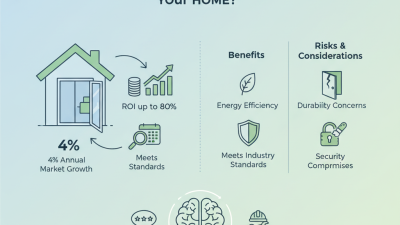
Define your entry door needs and budget before comparing materials, sizes, energy performance, and installation costs.
Typical U.S. planning ranges are shown for a standard single entry-door project. Steel doors generally have the lowest material cost, while fiberglass and wood offer different balances of durability, appearance, insulation, and maintenance. Add installation, hardware, permits, and possible framing repairs to your budget. Actual prices vary by size, glass, finish, location, and site conditions.
Data basis: commonly reported 2024–2025 U.S. residential replacement-door cost ranges, presented as practical 2026 budgeting estimates; materials and labor are shown separately.
Compare Affordable Door Materials and Styles
In 2026, an affordable entry door should be judged by total cost, not its shelf price.
Steel doors often cost less and provide strong security, but dents and surface rust can require expensive repairs. Fiberglass usually costs more upfront. It resists moisture, holds paint well, and can imitate wood grain convincingly. Wood feels warm and authentic, yet it needs regular sealing, especially near wet porches. I once underestimated maintenance costs; that mistake changed how I compare quotes.
Style affects the budget as much as material.
A plain flush door is usually cheaper than a carved panel design. Decorative glass increases purchase and installation costs. Small upper windows can brighten a dark hallway, but they may reduce privacy.
A solid panel with a narrow vision panel can balance light, security, and price. Measure the existing frame carefully.
An inexpensive slab will not save money if the opening needs major adjustment.
Ask for an itemized quote covering the slab, frame, threshold, lockset, weatherstripping, delivery, and labor. Compare thermal performance, not just appearance. Use published U-factor and air-leakage ratings when available. A tight seal can reduce drafts around the foyer. Check hinge alignment and the threshold after installation. These details reveal workmanship better than a glossy showroom photo. Budget doors can perform well, though cheap hardware may fail sooner. My cautious choice is a simple fiberglass or steel style, installed correctly, with money reserved for dependable locks and weather seals.
Find Reliable Sellers and Compare 2026 Prices
Finding an affordable entry door in 2026 starts with comparing complete prices, not attractive product listings. Ask at least three reliable sellers for itemized quotes. Each quote should show the slab, frame, hardware, delivery, removal, installation, and possible permit fees. A low online price can become expensive after these additions.
Seller reliability matters as much as the door itself. Check a physical business address, written warranty terms, installation credentials, and recent customer feedback. Ask who handles defects after installation. The U.S. Department of Energy recommends reviewing door U-factor and air-leakage performance, especially in regions with extreme temperatures. Energy-efficient specifications may cost more initially, but they can reduce drafts and future heating expenses.
Compare realistic benchmarks. Remodeling Magazine’s 2024 Cost vs. Value report showed that steel entry-door replacement delivered one of the strongest resale returns among exterior projects. However, resale value is not the same as immediate savings. In my experience, a basic insulated steel door often offers the clearest budget balance, while decorative glass and custom sizing raise labor costs quickly. Measure twice. Small errors can erase a good deal.
Request matching specifications from every seller. Compare the same material, dimensions, finish, lockset, and installation scope. Prices should be reviewed carefully in writing. A vague quote is a warning sign. Sometimes, the cheapest offer is simply incomplete.
Check Installation Costs, Warranties, and Long-Term Value
How to Find Affordable Entry Doors in 2026?
An affordable entry door is not always the one with the lowest price tag. Ask for a written installation quote before comparing models. The quote should include labor, delivery, old-door removal, trim, flashing, threshold adjustment, and disposal fees. I have seen attractive estimates grow after installers discovered uneven framing. Measure the opening twice. Small mistakes can become expensive.
Installation quality affects security, comfort, and durability. Ask whether the installer checks the rough opening and seals gaps around the frame. A properly fitted door should close evenly without forcing the handle. Request details about weatherstripping and water drainage. These small components matter during heavy rain and winter drafts. Cheap installation can weaken a good door.
Read the warranty carefully.
Check coverage for the slab, frame, glass, hardware, and finish separately. Some warranties exclude coastal air, poor maintenance, or unauthorized repairs. Keep the invoice and installation records in one folder. Long-term value also includes repainting, hinge replacement, energy loss, and future repairs. A slightly higher upfront cost may be sensible if the door needs less maintenance. Still, I would not assume expensive means better. Compare material strength, insulation, repairability, and expected service life. A practical choice should fit both your budget and your home’s conditions.