What Are the Top Kids Bed Designs for Global Buyers?
For global buyers, choosing a Kids Bed involves more than color, themes, and attractive photos. The right design should support safe sleep, easy cleaning, durable use, and changing childhood needs. Across markets, families often compare bunk beds, loft beds, Montessori frames, trundle models, and storage beds. Each option solves a different bedroom problem. A compact apartment may need drawers. A shared room may need vertical space.
This guide examines popular Kids Bed designs through practical buying experience and professional product considerations. It looks at frame stability, edge finishing, mattress support, ladder placement, guardrail height, and ventilation. Materials matter too. Solid wood can feel warm and sturdy, while engineered panels may offer consistent sizing and lower costs. However, material quality depends on construction, coatings, moisture resistance, and supplier transparency. Buyers should check age guidance, assembly instructions, weight limits, and applicable safety certifications in their destination market. A beautiful bed is not automatically a safe bed.
Global purchasing also requires attention to shipping dimensions, replacement parts, packaging protection, and after-sales support. A bed that fits a showroom may fail in a narrow stairwell. Color preferences and room layouts differ widely, so flexible designs often travel better. Still, no single model suits every child or household. That is worth remembering. Some design comparisons remain imperfect because comfort and usability depend on real family routines. By weighing safety, function, appearance, and long-term value, buyers can choose with greater confidence. The best Kids Bed is practical, well-tested, and suited to the child’s everyday space.
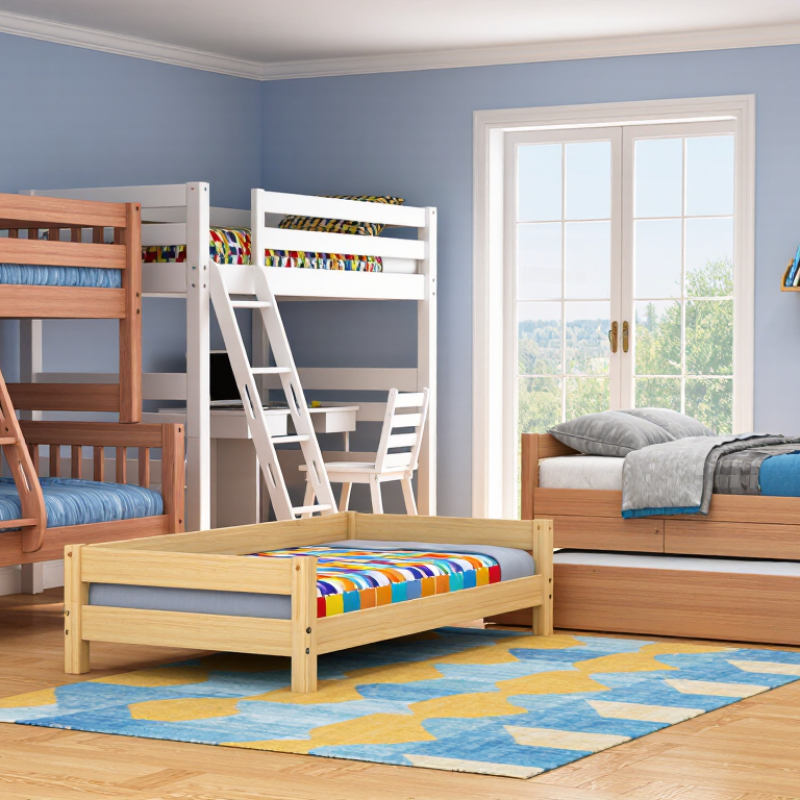
Key Features That Define a High-Quality Kids’ Bed Design
What Are the Top Kids Bed Designs for Global Buyers?
A high-quality kids’ bed begins with safe, stable construction. Solid joints should resist shaking during climbing, turning, and everyday play. Rounded edges reduce painful bumps around the frame. Smooth, sealed surfaces also prevent splinters and simplify cleaning. Buyers should check the mattress base for strong support and even spacing. Ventilation beneath the mattress helps reduce trapped moisture. Small details matter.
Reliable designs use low-VOC finishes and clearly identified materials. These choices support healthier indoor air, especially in smaller bedrooms. Guardrails should be high enough to reduce fall risks without blocking easy access. For younger children, the bed should remain low and easy to enter. Hardware needs firm fitting and regular inspection. A loose screw can become a serious concern.
Global buyers must confirm measurements, assembly instructions, and market-specific safety requirements. Products should include clear warnings and age guidance. Packaging should protect corners, rails, and fasteners during long-distance shipping. Practical testing can reveal weaknesses that photographs hide. A bed may look impressive but wobble after repeated use. No design is perfect. Children use furniture unpredictably, and adults sometimes overlook routine checks. I would also question decorative openings, complex ladders, and difficult cleaning areas. Simple designs often perform better in real homes, though they may appear less exciting.
Popular Kids’ Bed Styles for Different Ages and Room Sizes
Choosing a kids’ bed depends on age, sleep habits, and available floor space. For toddlers, a low-profile bed makes climbing easier and reduces fall height. Rounded edges and sturdy side rails also support safer nighttime movement. Measure the mattress area, not only the outer frame.
Young children often benefit from single beds with drawers or lift-up storage. These designs keep toys, bedding, and seasonal clothes under control. In smaller bedrooms, a compact cabin bed can create a useful reading nook below. However, built-in steps may become awkward when children grow. That detail is easy to overlook.
Older children and teenagers may prefer loft beds, daybeds, or simple platform frames. A loft bed suits narrow rooms by placing a desk underneath, but ceiling height must be checked carefully. Shared bedrooms can use bunk beds, provided the upper sleeping level includes secure guardrails and safe access. Always confirm the mattress size, weight guidance, assembly instructions, and safety requirements for the destination market. A design that fits one country’s standard may not fit another’s bedding dimensions. I have seen attractive beds fail during planning because doors, windows, or radiators were ignored. Leave enough space for opening drawers and changing sheets. Kids need room to move, not just a bed that looks efficient.
Materials, Finishes, and Customization Options for Global Buyers
What Are the Top Kids Bed Designs for Global Buyers?
Materials, finishes, and customization shape a children’s bed more than its appearance. Solid wood offers warmth, strength, and a natural grain. Plywood can provide stable panels with efficient material use. Engineered wood may reduce costs, but buyers should check its core quality and emissions documentation.
In production reviews, sharp edges and weak joints remain common concerns. Rounded corners, reinforced connections, and tested guard rails deserve close attention.
Finishes should resist daily cleaning without creating unpleasant odors. Water-based coatings are often preferred for indoor furniture. Buyers should request finish samples, safety data, and testing documents for their target market.
Matte white, soft green, and light oak remain practical choices. Dark colors can show scratches quickly. That is easy to overlook.
Custom options may include bed length, ladder position, drawer storage, headboard shape, and fabric panels. However, too many options can complicate quality control and packaging.
Tips:
Confirm mattress sizes, assembly instructions, hardware specifications, and carton protection before ordering. Ask whether the design suits humid or dry climates. Check the coating after repeated wiping, not only under showroom lighting. It may look perfect there. A thoughtful buyer should also review regional safety requirements, labeling rules, and load-test reports. Customization sounds attractive, but every change needs a fresh inspection.
How to Compare Kids’ Bed Designs Across International Markets
What Are the Top Kids Bed Designs for Global Buyers?
Comparing kids’ bed designs across international markets requires more than judging appearance. In my experience, low-profile floor beds appeal to families seeking independence and easier access. Loft beds save space, but they require careful checks for guardrail height, ladder stability, and ceiling clearance. Bunk beds suit shared rooms, although age guidance and access design vary by market. A beautiful design can still be impractical.
Buyers should compare mattress dimensions, not only the frame size. A few centimeters may create fitting problems when mattresses come from different regional systems. Materials also deserve attention. Solid wood, certified panels, water-based finishes, and rounded edges can support safer everyday use. Ask suppliers for test reports, load limits, assembly instructions, and information about applicable local standards. Requirements differ between countries, so one certificate may not prove complete compliance everywhere. Shipping is another factor. Flat-pack construction reduces freight volume, but unclear instructions can frustrate parents.
Tips: Create a comparison sheet with five columns: age range, safety features, dimensions, materials, and local compliance. Test the ladder or drawer movement during sample inspection. Check ventilation beneath mattresses, especially in humid climates. Cultural preferences matter too; some families prefer storage steps, while others avoid elevated sleeping areas. I would not rely on photographs alone. They hide weak joints and awkward proportions. That lesson is easy to overlook.