Choosing the right screen doors can change how a home feels, functions, and breathes. A well-fitted door lets in fresh air while limiting insects, dust, and unwanted outdoor debris. However, not every design suits every entrance. A patio may need a wide-opening option, while a busy kitchen benefits from quick, hands-free access.
Common choices include hinged screen doors, sliding panels, retractable screens, magnetic mesh systems, and security screen doors. Each type has practical strengths. Hinged models offer familiar operation and sturdy frames. Sliding screens save space near furniture or narrow walkways. Retractable designs disappear when not needed, although their tracks and springs require careful maintenance. Magnetic screens install quickly, but they may not withstand pets or strong wind for long.
Material selection matters as much as door style. Fiberglass mesh is flexible and affordable, while aluminum mesh often provides greater resistance to tearing. Stainless steel security mesh adds protection, but it can increase cost and reduce airflow slightly. Frame quality matters too. A lightweight frame may look attractive during installation, then loosen after repeated use.
In real homes, small details often decide satisfaction. Measure the opening twice. Check the threshold height. Watch how sunlight reaches the mesh. Manufacturer instructions and professional installation advice can prevent costly fitting errors. Still, no single screen door is perfect. A product that works beautifully in a shaded porch may perform poorly beside a windy coastline. This guide compares the top types of screen doors, their advantages, limitations, maintenance needs, and best applications, helping homeowners make a more informed choice.
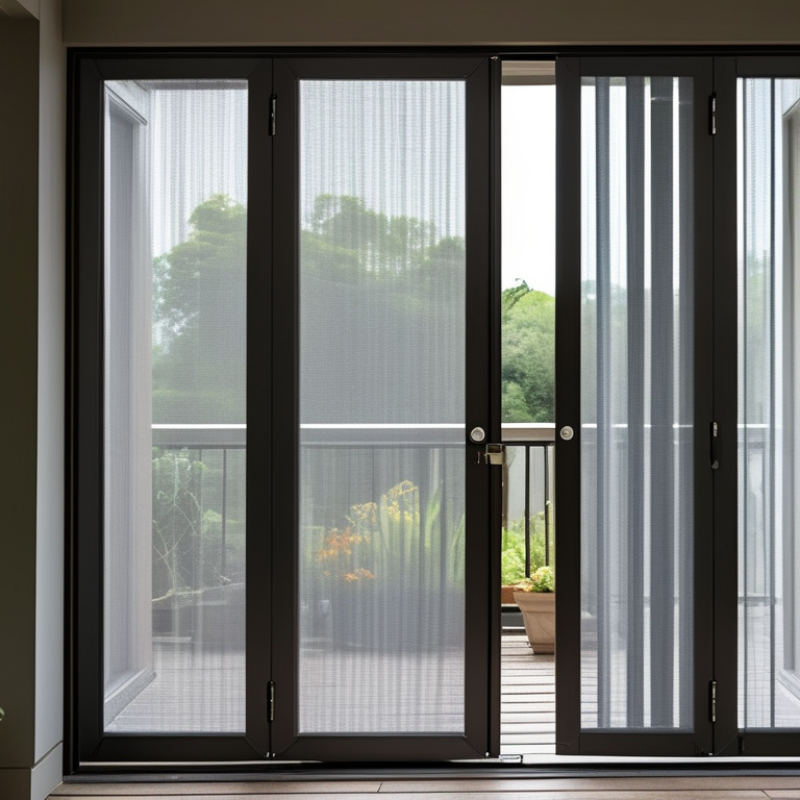
A screen door is a framed opening fitted with mesh. It allows outdoor air and daylight inside while limiting insects, leaves, and small airborne debris. The mesh works as a physical filter, not an air purifier. Its performance depends on hole size, material, frame alignment, and installation quality.
The U.S. Energy Information Administration’s 2020 Residential Energy Consumption Survey reported that about 89% of U.S. homes used air conditioning. A properly placed screen door can support natural ventilation when outdoor air is cooler and cleaner. The U.S. Department of Energy recommends this approach when weather conditions allow, but it cannot replace mechanical cooling during extreme heat. Airflow needs a path. One open door may achieve little.
Hinged screen doors suit main entrances and usually include a closer, latch, and weatherstripping. Sliding screens work well with patio doors, while retractable models disappear into a side cassette when unused. Magnetic curtains are lightweight and convenient, though they may seal poorly in wind. ASHRAE Standard 62.2 treats ventilation as an indoor air-quality concern, so a screen door should not be the only ventilation strategy. In practice, small gaps around the frame often reduce comfort more than the mesh itself. Inspect the spline, hinges, and bottom sweep each season. The design is simple. Installation is not always simple.
| Screen Door Type | How It Works | Typical Frame Materials | Main Advantages | Common Limitations | Best Suited For |
|---|---|---|---|---|---|
| Hinged Screen Door | Swings open and closed on hinges, usually with a latch and a spring or pneumatic closer. | Aluminum, steel, vinyl, or wood | Simple design, good ventilation, easy to repair, and available in many sizes. | Requires clear swing space and can be affected by strong wind or improper alignment. | Front doors, back doors, and frequently used entryways |
| Sliding Screen Door | Moves horizontally along rollers inside a track, commonly alongside a sliding glass or patio door. | Aluminum or vinyl | Does not require outward or inward swing space and works well with wide openings. | Tracks can collect dirt, and rollers or mesh may need periodic adjustment or replacement. | Patio doors, balconies, and large rear openings |
| Retractable Screen Door | The mesh rolls into a side cassette or retracts vertically when the door is not in use. | Aluminum housing with fiberglass or polyester mesh | Disappears when retracted, preserves the doorway’s appearance, and suits irregular or wide openings. | Usually costs more than basic fixed screens and may require careful installation and tension adjustment. | Entry doors, French doors, and openings where a permanent screen is undesirable |
| Magnetic Screen Door | Two mesh panels meet at the center and close automatically with magnets after people or pets pass through. | Fiberglass or polyester mesh with fabric edging | Affordable, lightweight, tool-free options are available, and hands-free passage is convenient. | Generally less durable and less secure against wind than framed doors; installation depends on a suitable surface. | Temporary use, rentals, porches, and households with children or pets |
| Storm Screen Door | A rigid, exterior-mounted door uses interchangeable or combined glass and screen panels for seasonal flexibility. | Aluminum, steel, or composite materials | Can provide ventilation, added weather protection, and improved entry-door insulation when the glass panel is installed. | Heavier and more expensive than a simple screen; panel changes and hardware maintenance may be required. | Exterior entry doors in areas with changing weather conditions |
| Pleated Screen Door | A pleated mesh panel folds along side tracks or into a compact housing when opened. | Aluminum tracks with pleated fiberglass or polyester mesh | Uses little storage space, can cover broad openings, and offers a low-profile appearance. | Pleats and tracks can be damaged by rough handling, pets, or accumulated debris. | Wide patio openings, folding doors, and indoor-outdoor living areas |
| Pet-Resistant Screen Door | Uses reinforced mesh or a stronger lower panel to resist scratching, pushing, and repeated contact from pets. | Aluminum or steel frame with vinyl-coated polyester or heavy-duty mesh | Improves resistance to tears and may include a pet door or protective kick panel. | Reinforced mesh can reduce airflow slightly and may cost more than standard mesh. | Homes with dogs, cats, or other animals that use the doorway |
| Security Screen Door | Combines a rigid frame with metal bars, perforated metal, or high-strength mesh to allow airflow while adding a physical barrier. | Steel, aluminum, or reinforced composite materials | Offers stronger impact resistance and security than ordinary insect screens while maintaining ventilation. | Heavier, typically more costly, and installation must be compatible with the door frame and locking hardware. | Main entrances where ventilation and added physical protection are both priorities |