What Are the 10 Best Home Entry Doors?
A front door does more than frame a welcome. It faces rain, sun, muddy shoes, delivery boxes, and the daily rush out the house. The right choice can improve comfort, security, and curb appeal, but no single material suits every home. A wood door may bring warmth and character; fiberglass can offer lower-maintenance performance; steel often appeals to buyers seeking strength and value. Details matter, too. A tight weather seal, well-fitted frame, and glazing suited to the home’s exposure can affect everyday performance.
Architect Sarah Susanka is known for her human-centered approach to residential design. A practical principle drawn from that approach is: “Choose an entry that serves daily life, not just the street view.” That is an editorial summary, not a verbatim quotation. It points to a useful question: Does the door feel welcoming while meeting the household’s real needs? A beautiful slab can disappoint if it sticks in humid weather or leaves a draft near the threshold.
This guide compares 10 home entry doors by material, appearance, durability, maintenance, and value. It also considers installation, because even a quality door can perform poorly when the frame or weatherstripping is neglected. Small details count. Think of a cold draft at ankle height, a lock that turns smoothly, or glass that brightens a dim hallway. The best option depends on climate, budget, and upkeep. Some trade-offs remain. That is worth admitting. A thoughtful choice starts with priorities, not a ranking alone.
What Defines a High-Quality Home Entry Door?
A high-quality home entry door fits its opening closely and stays reliable through changing weather. Look beyond its style. The door slab, frame, hinges, lock, and seals must work together. A strong slab can still perform poorly if the frame shifts or the latch misses its strike plate. Check that weatherstripping compresses evenly when the door closes. No visible gaps. A heavy door can feel reassuring, though weight alone proves little.
Material affects upkeep and comfort. Fiberglass often resists moisture and dents, while steel can offer strength but may scratch. Wood has natural character, yet needs regular inspection and finishing. Compare the door’s insulation rating and glazing details, especially if the entry faces harsh sun or winter winds. Proper installation matters just as much as the door itself. Even a well-made unit can leak air when its sill is uneven or its frame is poorly sealed. That detail is easy to overlook.
Tips: Close the door slowly and check for rubbing, loose hinges, or daylight around the edges. Ask how the finish, seals, and hardware should be maintained. Choose a secure lock that fits the door and frame, then confirm it operates smoothly. Don’t rely on appearance alone.
Which Materials Are Used in the Best Entry Doors?
Entry-door materials affect insulation, upkeep, security, and how well a doorway handles weather. Fiberglass resists moisture and can mimic wood grain without frequent repainting. Steel offers a strong, often budget-friendly option, but damaged coatings may expose it to rust. Solid wood has natural warmth and can be repaired, though changing humidity may cause swelling or gaps. Looks matter, too.
Material alone does not determine performance. A well-fitted door with weatherstripping and an insulated core can outperform a heavier door with poor installation. Check the frame, threshold, hinges, and seals; small gaps can let in drafts and water. In cold or damp regions, compare insulation ratings and maintenance needs for your local conditions. It is easy to overvalue a door’s appearance. That is not always the right call.
Tips: Ask how the door handles your climate, and inspect its edges and finish before buying. Confirm that the installer will seal around the frame and adjust the threshold. Keep expectations realistic: even durable materials need occasional checks, and wood may demand more care than you expect.
What Are the 10 Best Types of Home Entry Doors?
What Are the 10 Best Types of Home Entry Doors?
The best choice depends on weather, security needs, upkeep, and the style of your home.
Fiberglass resists moisture and can mimic wood grain; steel offers a sturdy, often budget-friendly option.
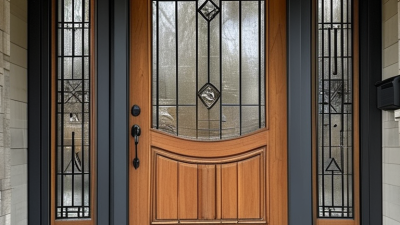
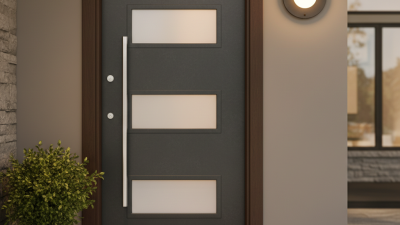
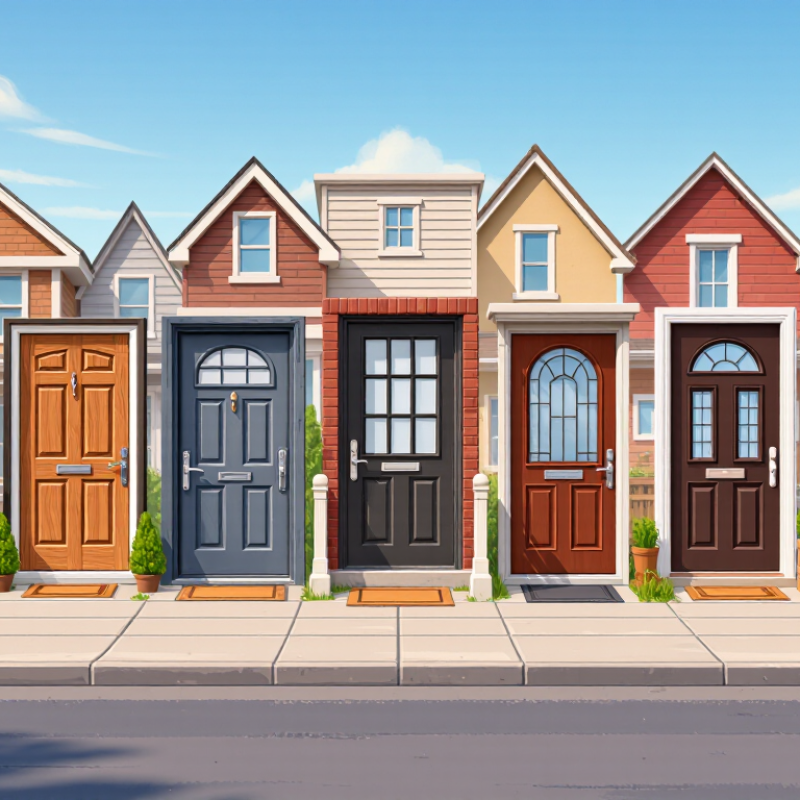
Solid wood brings warmth, but needs regular attention to paint or finish. Wood-clad doors pair a wood interior with a more weather-resistant exterior. Aluminum is lightweight and resists rust, though insulation varies by construction. Glass-panel doors brighten a dim foyer, but privacy and heat gain deserve a close look. Flush doors have clean, flat faces; paneled doors add depth and traditional detail. Dutch doors open in two sections, while pivot doors turn on floor-and-ceiling hardware.
Looks matter. So does the threshold.
A useful cost reference is the 2024 Cost vs. Value report from Zonda, which estimated a 188.1% cost recoup for steel entry-door replacement and 49.9% for a fiberglass grand entry project.
These are modeled averages, not promises; project scope and local resale conditions can change the outcome. A high-glass design may feel welcoming, yet face a busy street poorly. A heavy wood door can impress, but weather exposure may make maintenance tiresome.
Check the frame, weatherstripping, glazing, and installation quality alongside the door material.
Small gaps can undo a good choice.
How Do Entry Door Designs Compare in Security and Efficiency?
A strong entry door must slow forced entry and limit drafts, but no material solves both problems alone. Steel doors with insulated cores often resist impact well and reduce heat loss. Their weak points are usually the frame, lock area, and worn weather seals. Steel can also dent, and a damaged finish may need attention.
Fiberglass doors resist warping and often provide steady insulation with little upkeep. Solid wood offers weight and a traditional feel, yet it needs protection from moisture and temperature swings. A heavy door is not automatically a secure door. Reinforced hinges, a sturdy frame, and a properly fitted deadbolt matter just as much.
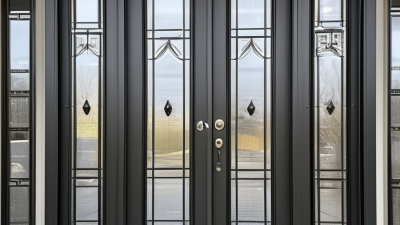
Glass panels and sidelights bring daylight into a dim entry, though they can create security and privacy concerns. Choose durable safety glazing, and keep locks beyond easy reach where possible. Small gaps matter. Check for light around the edges on a bright day; that can reveal poor weatherstripping or an uneven fit. A tight threshold and continuous seals help keep indoor air from escaping. Some homes benefit from a storm door, but it may complicate access and ventilation. The best choice depends on climate, exposure, and household needs. I would not judge a door by appearance alone; installation quality is easy to overlook, and it can undermine even a well-built design.
Which Entry Door Best Fits Your Home, Climate, and Budget?
The best entry door is the one that suits your weather, daily use, and installation budget—not simply the most expensive option. Start with the material. Fiberglass can resist moisture and needs relatively little upkeep, while offering a range of finishes. Steel often provides a sturdy, budget-conscious choice, but exposed surfaces may dent or need repainting. Wood brings natural warmth and can be repaired, yet it usually asks for more care in damp or sunny locations. Whatever the slab, inspect the frame, threshold, weatherstripping, and lock fit; a premium door cannot compensate for poor installation.
Climate should guide the shortlist. In cold, windy areas, look for well-sealed construction and glazing suited to local conditions; in hot regions, consider shade and heat gain. Coastal air and frequent rain also make corrosion resistance and maintenance important. Before buying, compare the full installed price, including hardware, finishing, and any frame repairs. Ask for documented performance details, and check whether the door’s size and swing work with your entry. Budget matters. A less costly door may be sensible, but only if it closes tightly and suits the exposure. There is no perfect choice. Even careful comparisons leave a trade-off between appearance, upkeep, insulation, and price.