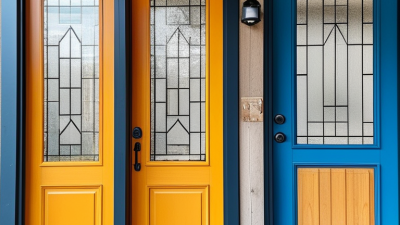
Home / Blog
Choosing among vinyl windows and doors is not simply a matter of comparing colors, prices, or attractive showroom displays. The right choice depends on climate, wall construction, ventilation, glass performance, hardware quality, and installation accuracy. A compact vinyl window may suit a shaded bedroom, while a wide sliding door requires stronger reinforcement and careful track drainage. Small details matter. A poorly sealed frame can turn heavy rain into a quiet, expensive problem.
Scott Sidler, a building-envelope consultant and author, offers a practical warning: “A window is only as good as the installation.” His observation supports a central idea in this guide. Even high-quality vinyl windows and doors can underperform when installers ignore flashing, shims, air sealing, or sill slope. Experience also shows that no single style fits every home. Casement, double-hung, sliding, awning, picture, bay, bow, folding, French, and patio systems each create different benefits and limitations.
Look beyond appearance.
This overview examines the top ten types of vinyl windows and doors through a professional lens. It considers energy efficiency, ventilation, security, maintenance, daylight, operating space, and long-term value. Some claims deserve caution. “Maintenance-free” is often an overstatement, because tracks, seals, and hardware still need attention. Product ratings can also confuse readers when they are compared without local weather conditions. The best decision may not be the most expensive model. It should be the system that matches the building, the occupants, and the installer’s real experience.
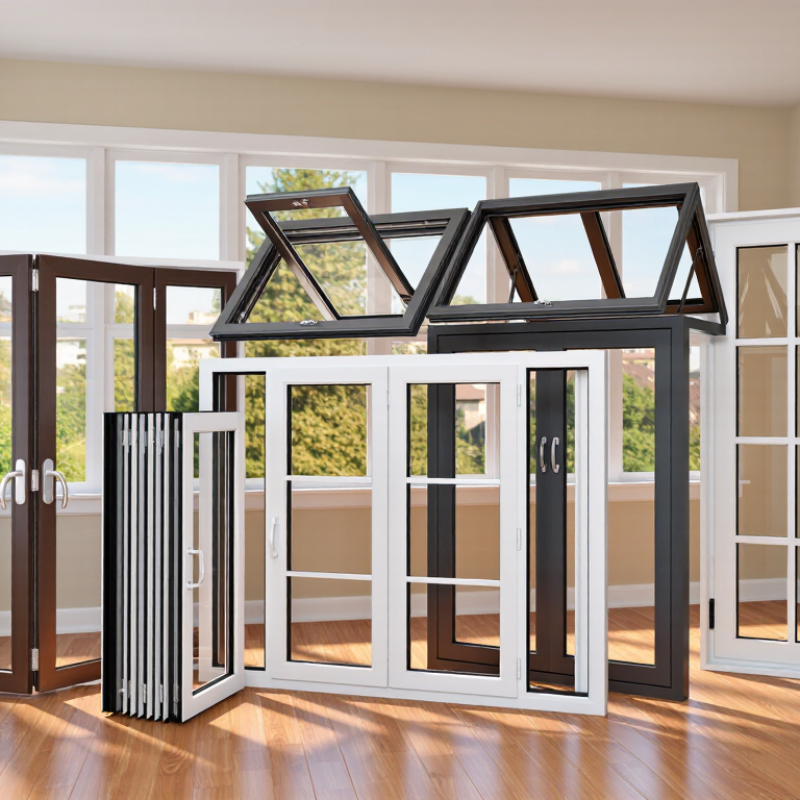
Vinyl windows and doors use rigid PVC frames around insulated glass, creating a practical barrier against drafts, rain, and outdoor noise. Their classification is based mainly on movement, shape, location, and ventilation. A reliable evaluation should also examine frame thickness, drainage paths, glass spacing, and installation quality. The material helps, but workmanship matters more than many buyers expect.
The ten common types include single-hung, double-hung, casement, awning, sliding, picture, bay, bow, hinged patio, and sliding patio units. Single-hung windows open from the bottom, while double-hung sashes move in both directions. Casement windows swing outward from side hinges. Awning models hinge at the top and can shed light rain.
Sliding windows move horizontally along a track. Picture windows remain fixed for daylight and views. Bay and bow designs project outward, creating extra interior space. Hinged patio doors open like conventional doors, while sliding patio doors move beside a fixed panel.
In a home inspection, I check whether each style suits the room’s daily use. A wide sliding door may improve access, but its track needs regular cleaning. A casement window can ventilate strongly, although its crank hardware may require adjustment.
Picture windows provide little airflow. That limitation is easy to overlook. Vinyl colors, glass packages, and grille patterns also affect appearance and energy performance. I would not classify a product by appearance alone; two similar frames can differ greatly in reinforcement, seals, and certified air leakage results.
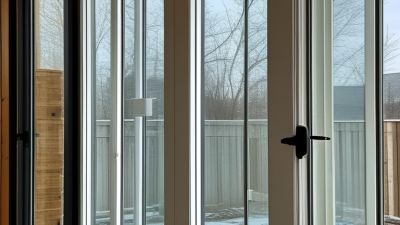
The five most common types of vinyl windows suit different rooms, climates, and ventilation needs. Each design also changes how a space feels.
have one movable sash, usually the lower one. They are affordable, simple to operate, and useful in bedrooms.
allow both sashes to move. This improves airflow and makes cleaning easier from inside the home.
open outward with a crank. Their wide opening can catch cross-breezes, but nearby shrubs may limit operation.
move horizontally along a track. They work well above kitchen counters because they need no outdoor clearance.
remain fixed and provide broad, unobstructed views. However, they cannot provide ventilation.
I have found that frame quality matters as much as window style. Look for welded corners, strong weather seals, and smooth hardware movement. Check the glass rating for your local climate, especially in areas with strong sun or winter temperatures. Professional installation also affects performance. A small gap around the frame can create drafts, water stains, or interior condensation. Not every “energy-efficient” label tells the whole story. Review the complete performance data.
are another practical option, especially with sliding panels and reinforced locks. Still, large doors need careful leveling. Even a minor installation error can make the panel drag. That detail is easy to overlook.
The Five Most Popular Types of Vinyl Doors
Vinyl doors remain popular because they resist moisture, require little painting, and offer flexible insulation. The U.S. Department of Energy reports that windows account for roughly 25–30% of residential heating and cooling energy use. Doors influence the same envelope, especially around frames and thresholds. Professional installation matters as much as the material.
Sliding patio doors suit compact rooms and wide garden views. Hinged patio doors, including French-style designs, provide a more traditional opening and stronger perceived security. Folding vinyl doors create a broad connection to patios, although their hardware needs careful alignment. Vinyl entry doors offer many panel and glass configurations, with reinforced cores improving stability. Storm doors add a practical layer against wind, rain, and drafts.
The 2024 Cost vs. Value report continues to show strong homeowner interest in exterior door improvements, particularly where curb appeal and energy performance overlap. Still, “popular” does not mean ideal for every house. A sliding door may save floor space but can develop track problems in sandy areas. Folding systems look impressive, yet their seals may demand more maintenance. A mistake is treating vinyl as maintenance-free. Hinges, rollers, weatherstripping, and drainage channels still need inspection. NFRC-rated glass and documented U-factor values provide more reliable comparisons than sales language. Measure the rough opening twice. A beautiful door installed out of square will waste energy and patience.
This chart compares ten common vinyl window and door configurations by their typical number of operable panels. Fixed windows have no movable panels, while hinged, sliding, and folding systems vary by design.
Panel counts describe a common configuration rather than a popularity ranking. Actual product designs may include different numbers of movable sashes or door panels.
Choosing among the top 10 vinyl window and door types depends on ventilation, daylight, access, and maintenance needs. Single-hung windows cost less, but only the lower sash opens. Double-hung windows ventilate from both levels and simplify cleaning. Casement windows use side hinges, creating a tight seal when closed. Awning windows open outward from the bottom and help block light rain. Horizontal sliders move easily, though their seals may need closer inspection over time.
Picture windows provide wide, unobstructed views but offer no ventilation. Bay windows project outward, adding interior space and stronger visual depth. Bow windows create a softer curve with several connected units. Sliding patio doors save floor space and suit narrow decks. Hinged patio doors usually provide a wider opening and a more traditional walking path. Small details matter.
In field evaluations, I compare U-factor, solar heat gain, visible light, air leakage, and hardware quality. A low U-factor can improve winter comfort, but glass placement and installation still affect results. Casements often perform well against drafts, while sliders may be easier for children or older adults to operate. I would not treat one style as universally superior. A poorly installed premium window can underperform a simpler unit installed correctly. Check drainage paths, corner joints, frame reinforcement, and the installer’s measured opening. That step is sometimes skipped. It should not be.
Choosing the right vinyl windows and doors begins with your home, not a catalog. The top ten options include single-hung, double-hung, sliding, casement, awning, picture, bay, bow, garden windows, and sliding patio doors. Each serves a different purpose. Double-hung windows suit bedrooms because both sashes tilt inward for cleaning. Casement windows catch side breezes, while picture windows provide wide, uninterrupted views.
Measure the opening carefully, but do not stop there. Check the wall direction, local weather, and room ventilation. A south-facing window may need a lower solar heat gain coefficient to reduce summer heat. In a cold region, compare the U-factor and inspect the frame’s air-sealing design. For street-facing rooms, laminated glass and tighter seals can reduce noise. A patio door should glide smoothly, lock firmly, and keep its threshold level with the floor.
Look closely at installation quality. A good window can perform poorly when the sill is uneven or flashing is missing. During renovation assessments, I often find that homeowners choose attractive grids before checking drainage and ventilation. That choice is understandable, but it can create maintenance problems later. Ask for verified performance data, warranty limits, and the installer’s repair process. Test samples in daylight. Feel the handle. Listen for frame movement. Small details matter.
Budget pressure can change the decision. A cheaper unit may have weaker hardware or thinner weatherstripping. Yet the most expensive option is not automatically best. Reflect on how each room is used, and allow space for imperfect measurements.
| Type | Category | How It Operates | Ventilation and Access | Key Advantages | Best Applications | Selection Considerations |
|---|---|---|---|---|---|---|
| Single-Hung Window | Window | The bottom sash moves vertically while the upper sash remains fixed. | Provides ventilation through the lower opening; the opening is smaller than that of a double-hung window. | Simple construction, generally economical, and easy to operate. | Bedrooms, living areas, rental properties, and rooms where basic ventilation is sufficient. | Check whether the lower sash tilts inward for cleaning, especially on upper floors. |
| Double-Hung Window | Window | Both the upper and lower sashes slide vertically, and many models tilt inward. | Allows ventilation at the top, bottom, or both; tilted sashes simplify interior cleaning. | Flexible airflow, familiar appearance, and convenient maintenance. | Traditional homes, multi-story houses, bedrooms, kitchens, and family rooms. | More moving parts can require adjustment over time; compare air-leakage ratings and hardware quality. |
| Horizontal Sliding Window | Window | One or more sashes slide horizontally along a track. | Offers a wide, easy-to-reach opening without extending outward. | Useful where exterior clearance is limited and generally easy to operate. | Basements, low walls, hallways, patios, and rooms facing walkways. | Tracks should include effective drainage and be easy to clean; inspect the locking system for security. |
| Casement Window | Window | The sash is hinged at the side and opens outward with a crank or handle. | Can direct airflow into the room and usually provides a large clear opening. | Good ventilation potential and typically strong compression sealing when closed. | Hard-to-reach locations, contemporary homes, kitchens, and rooms needing directed airflow. | Requires exterior clearance; confirm that the open sash will not interfere with paths, landscaping, or neighboring windows. |
| Awning Window | Window | The sash is hinged at the top and opens outward from the bottom. | Allows ventilation while the overhanging sash helps shield the opening from light rain. | Useful for controlled airflow and privacy because the opening is usually higher on the wall. | Bathrooms, basements, kitchens, transoms, and windows placed below larger units. | Use appropriate hardware and weather seals; verify that the outward swing has sufficient clearance. |
| Picture or Fixed Window | Window | The glass area does not open or provide ventilation. | No ventilation or emergency egress; delivers uninterrupted views and daylight. | Large glass areas, low maintenance, and fewer operating parts that can leak air. | Living rooms, stairwells, scenic walls, and locations paired with operable windows. | Pair with an operable unit when ventilation or emergency escape is required; consider solar heat gain and glare. |
| Bay or Bow Window | Window | A projecting arrangement of multiple window units that extends beyond the exterior wall. | Ventilation depends on whether the side or center units are operable. | Adds interior space, viewing angles, daylight, and architectural character. | Living rooms, dining areas, reading spaces, and exterior walls with attractive views. | Needs careful structural support, flashing, insulation, and roof or seat-board detailing. |
| Sliding Patio Door | Door | One or more glazed panels slide horizontally behind or beside another panel. | Provides a broad visual connection to the outdoors; only the operable panel opens. | Does not require swing clearance and works well in compact rooms. | Patios, decks, balconies, dining rooms, and family rooms. | Choose a durable roller system, a secure multi-point or reinforced lock where available, and a properly drained sill. |
| Hinged Patio or French Door | Door | One or two door panels swing inward or outward on hinges. | Provides a large passage opening, especially when both panels are active. | Convenient pedestrian access, traditional appearance, and strong compression sealing when properly adjusted. | Gardens, patios, porches, balconies, and wider exterior openings. | Allow for swing clearance and verify threshold height, weather protection, hinges, and locking points. |
| Vinyl-Clad or Solid Vinyl Entry Door | Door | A hinged exterior entry door opens on hinges; configurations may include a single slab, sidelites, or a transom. | Designed primarily for entry and security rather than routine ventilation. | Low-maintenance surfaces, resistance to moisture-related problems, and compatibility with insulated door cores. | Front entrances, side entrances, utility entrances, and sheltered exterior openings. | Compare door-panel insulation, frame construction, sill performance, weatherstripping, glazing, and certified security hardware. |