What Are the Top Types of Affordable Entry Doors?
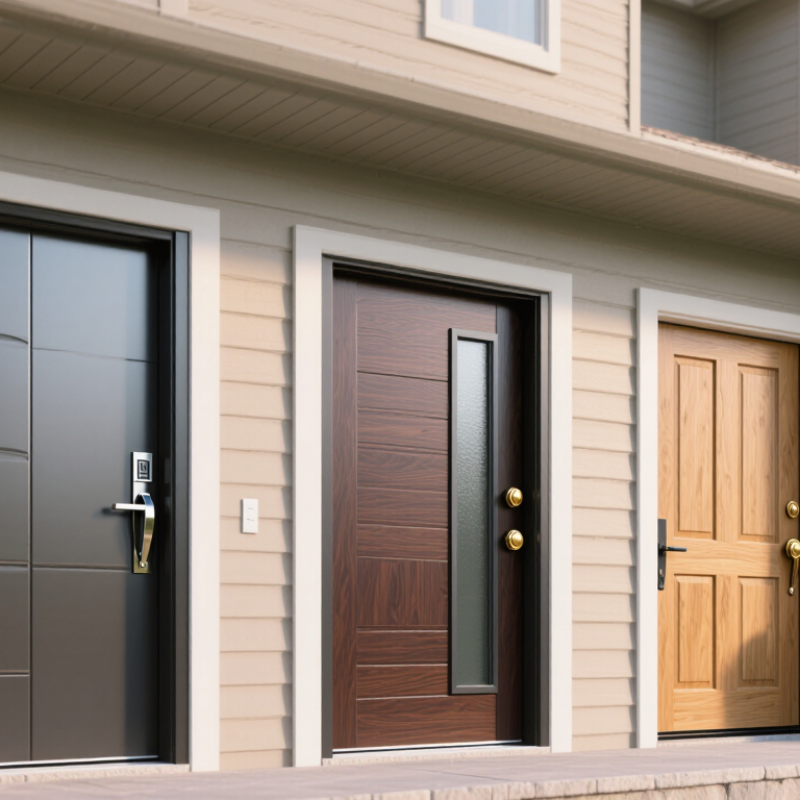
Choosing affordable entry doors is not simply a matter of finding the lowest sticker price. A dependable door must balance purchase cost, insulation, security, appearance, and installation quality. Steel doors often provide the lowest upfront cost and strong impact resistance. Fiberglass doors usually offer better moisture resistance and can imitate painted wood. Engineered wood doors may create a warmer appearance, but they can require more maintenance in wet climates.
Industry data supports a careful comparison. The 2024 Remodeling Cost vs. Value Report from Zonda recorded an average steel entry door replacement cost of approximately $2,355, with a reported resale value near $4,430. These figures suggest strong potential value, although regional labor rates and project specifications can change the result. The U.S. Department of Energy also emphasizes sealing gaps around doors, because uncontrolled air leakage can increase heating and cooling demands. A well-built door can still perform poorly when its frame, threshold, or weatherstripping is neglected.
That detail matters.
This guide examines the top types of affordable entry doors, including steel, fiberglass, and budget-friendly wood alternatives. It considers material lifespan, energy performance, maintenance, hardware, and installation concerns. ENERGY STAR and the National Fenestration Rating Council encourage consumers to review performance information rather than judge products by appearance alone. However, ratings do not replace an onsite inspection. A low-cost door may become expensive after frame repairs, repainting, or poor fitting. That assumption deserves a second look. The most practical choice is usually the door that delivers reliable daily performance without creating hidden costs later.
What Makes an Entry Door Affordable?
An affordable entry door is not simply the one with the lowest sticker price. Its real cost includes installation, maintenance, energy loss, and future repairs. A basic steel door often costs less than many alternatives and provides strong security with minimal upkeep. It can resist dents reasonably well, although deep scratches may eventually expose rust if they are ignored.
Fiberglass doors can also be affordable when they use a simple panel design and standard hardware. They usually resist moisture, warping, and fading better than ordinary wood. That matters in homes with strong sunlight or frequent rain. However, a textured fiberglass surface may cost more than a smooth one. Extra glass, decorative panels, and custom sizes can quickly change the budget.
I have inspected doors where the slab was inexpensive, but poor installation caused drafts around the frame. That was not truly affordable. A tight sill, accurate shimming, durable weatherstripping, and insulated glass often matter more than decorative details. Look for a door with a reliable energy rating and replacement parts that are easy to find. Standard dimensions usually reduce labor costs. Keep it simple.
I once focused too much on appearance and underestimated hardware costs. That mistake taught me to compare the complete package, not just the door itself. A modest steel or fiberglass entry door may deliver better value than a costly design with fragile finishes. Still, climate, exposure, and daily use can change the best choice.
Steel Entry Doors: Durable Security on a Budget
Among the top types of affordable entry doors, steel models offer a strong balance between security, durability, and price.
A steel door uses a formed metal skin around an insulated core. This construction resists warping better than many solid wood doors. It also provides a firm surface for reinforced locks and hinges.
In practical home inspections, I look closely at the frame before judging the door itself.
A strong slab cannot compensate for a weak jamb. Check that the frame is square, the hinges sit firmly, and the deadbolt extends smoothly. Measure twice. Weatherstripping should press evenly around the edges without forcing the door shut. A properly fitted steel door can reduce drafts and outside noise. That matters in busy neighborhoods.
Steel does have limitations.
Scratches can expose the metal and invite rust, especially near wet entrances. Touch-up paint and a covered threshold help protect the surface. Some inexpensive doors also feel thin or close loudly. I once assumed a heavier door was automatically better, but installation quality changed the result more than expected. Look for insulated construction, corrosion-resistant finishes, adjustable thresholds, and tested lock areas. A reputable installer should explain the door’s security rating, warranty terms, and maintenance needs clearly. Local building requirements may also affect size, fire resistance, or glass placement. Check those details before ordering.
Fiberglass Entry Doors: Low-Maintenance Value
Among affordable entry door options, fiberglass often offers the strongest balance of price, durability, and appearance. It can resemble painted wood without demanding frequent sanding or sealing. That matters in homes exposed to rain, strong sunlight, or changing temperatures. A quality fiberglass door resists moisture better than many wood doors and usually keeps its shape.
Low maintenance does not mean maintenance-free. Wipe the surface with mild soap and water when dirt collects around the panels. Check the weatherstripping each season. Small gaps can increase drafts and reduce comfort. The frame and threshold also need careful installation. Even an excellent door can perform poorly when the opening is uneven.
Fiberglass is not flawless. A hard impact may chip its outer skin, and deep damage should receive professional attention. I would also avoid choosing by appearance alone. Glass size, insulation, hinges, locks, and installation quality affect long-term value. A lower-priced door may become expensive if it leaks air or needs early repairs. Measure the opening carefully, review the door’s energy specifications, and ask an experienced installer how the threshold handles water. That extra question is easy to skip. It should not be.
Wood Entry Doors: Traditional Style at Different Prices
Wood entry doors bring warmth, texture, and traditional character to an affordable home entrance. Their carved panels can suit cottages, farmhouses, and older-style properties. However, wood prices vary sharply with construction, species, and finish.
A budget door may use a wood veneer over an engineered core. It can show attractive grain while resisting movement better than some solid boards. Midrange options often combine solid stiles with insulated panels, offering stronger durability and improved indoor comfort. Premium solid-wood doors provide deeper grain and custom details, but they require more maintenance. Expect sanding, sealing, and occasional refinishing, especially on a sunny or rain-exposed entrance.
In practical installation work, door alignment matters as much as the material. A beautiful slab can swell, scrape, or leak when the frame is poorly fitted. Check the threshold, weatherstripping, hinges, and drainage before choosing decorative upgrades. A darker stain may highlight knots, though it can also reveal uneven color. That is easy to underestimate.
Wood species also affect cost and performance. Pine is commonly economical, while oak and mahogany-style hardwoods usually cost more. Engineered wood may be the sensible compromise for a limited budget. I would not assume the cheapest option is the best value. A lower purchase price may bring higher finishing and repair costs later. Ask for moisture-resistant construction and a finish suitable for your local weather.
How to Compare Affordable Entry Door Options
What Are the Top Types of Affordable Entry Doors?
When comparing affordable entry doors, start with the whole installation cost, not only the door slab. I used to focus on the lowest sticker price. That was a mistake. Steel doors often provide strong security at a modest price. However, exposed steel can dent or develop rust if the finish is damaged. Fiberglass doors usually resist moisture, dents, and temperature changes better. They may cost more initially, but reduced maintenance can improve long-term value. Wood doors offer natural grain and easy repairs, yet they need regular sealing, especially in wet climates.
Compare each option using the same measurements. Check the door, frame, hinges, threshold, weatherstripping, lock preparation, delivery, and labor. A cheap door can become expensive when the frame does not fit the opening. Ask for the door’s energy-performance information, including insulation quality and glass ratings. Small details matter. A tight sweep under the door can reduce drafts. Correct flashing can help prevent water damage around the frame.
I recommend requesting two or three written estimates with identical specifications. Read the warranty carefully. Some warranties exclude finish damage, glass, or installation problems. Visit a local supplier if possible, and operate the sample door yourself. Does it close without force? Does the latch align smoothly? Online photos cannot answer that. Prices vary by region, and my own comparison may change after measuring the opening. That uncertainty deserves attention before ordering.
Steel doors generally offer the lowest installed cost and strong security. Fiberglass doors cost more but provide better resistance to dents, moisture, and temperature changes. Wood doors offer a traditional appearance but usually require more maintenance and have a higher installation price. Actual costs vary by door size, glazing, hardware, finish, and labor rates.