The Window
& Door Store

What Are the Best Home Entry Doors in 2026?

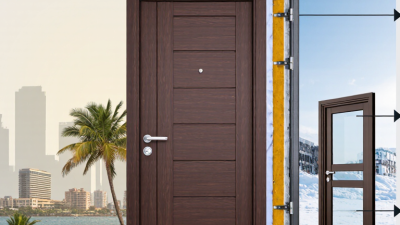
Choosing the best home entry doors in 2026 means balancing security, weather protection, appearance, and long-term cost. A door can look substantial in a showroom yet feel drafty beside a cold hallway. That difference matters. The U.S. Department of Energy recommends checking insulation, weatherstripping, and glazing when evaluating exterior doors, since each affects heat transfer and air leakage. Its guidance gives buyers practical criteria—not a promise that one material suits every home.

Energy ratings offer a useful comparison point. The National Fenestration Rating Council (NFRC) labels products with measures such as U-factor, which indicates heat transfer, and solar heat gain coefficient, which indicates how much solar heat enters. These ratings help compare glazed door models under consistent procedures. For a solid door, however, the frame, seals, installation, and local climate still deserve attention. A high-performing slab cannot fix a poorly fitted threshold.

Cost matters, too. Remodeling’s 2025 Cost vs. Value report compares project costs with estimated resale value across U.S. markets. Its findings are location-specific, so national averages should not be treated as a guaranteed return. A careful comparison should consider steel, fiberglass, and wood; glass options; maintenance; warranty terms; and professional installation. We should be honest about one limitation: published ratings cannot capture every home’s exposure, daily use, or design constraints. The right choice is the door that fits the opening, the climate, and the household—not simply the one with the boldest claims.
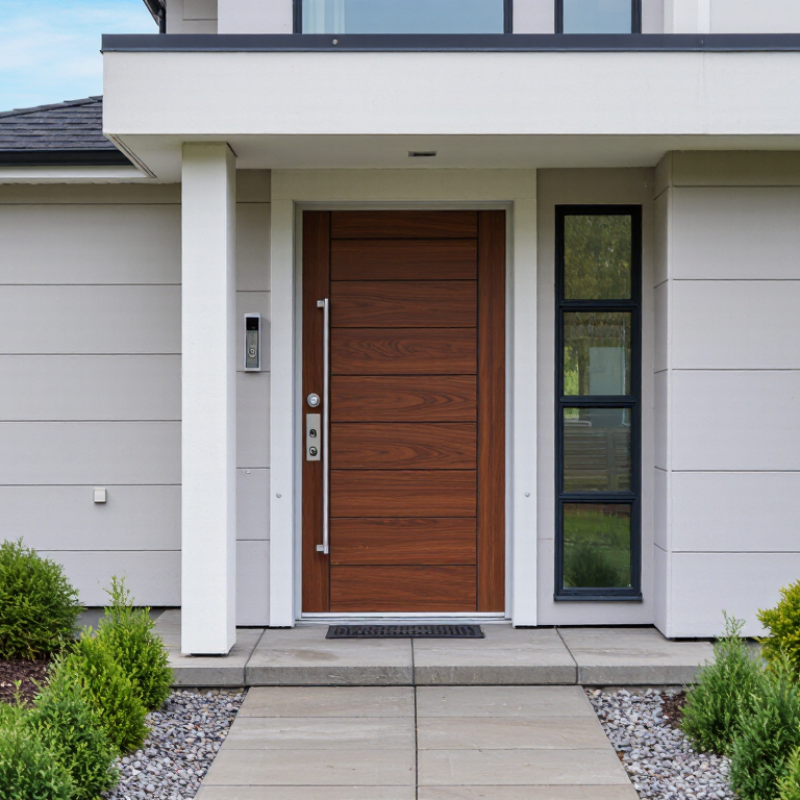
What Are the Best Home Entry Doors in 2026?

Types of Home Entry Doors Available in 2026

Home entry doors in 2026 range from steel and fiberglass to solid wood, aluminum, and glazed designs. Steel doors usually suit tighter budgets and busy households. They resist dents less well than some owners expect, though. Fiberglass can mimic painted wood grain and handle damp conditions with less routine upkeep. Solid wood offers warmth and repairability, but needs careful sealing against rain and sun. Aluminum and glass-heavy doors bring slim frames and daylight; privacy and thermal performance deserve close attention.

The Remodeling 2024 Cost vs. Value Report puts average U.S. steel entry-door replacement at $2,355, with an estimated 188.1% cost recouped. Fiberglass replacement averaged $4,448, with 125.5% recouped. These are national estimates, not promises for a particular home. That ranking can mislead: local labor, door size, and installation quality change the value. Check the National Fenestration Rating Council label to compare U-factor and solar heat gain coefficient, rather than judging by material alone. A cold, windy porch needs different priorities from a shaded, mild-climate entry. Nice appearance matters, but a poorly fitted frame can leave drafts around the edges.
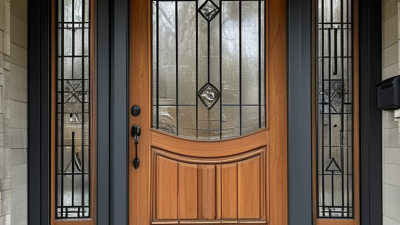
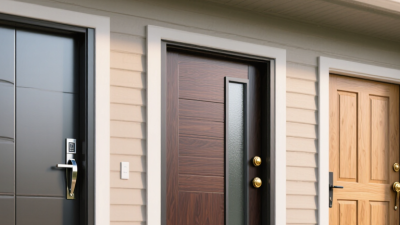
Materials and Construction of Modern Entry Doors

A reliable entry door is a complete system, not just an attractive slab. Its material, core, frame, seals, and installation all affect comfort and durability. In 2026, compare those details rather than relying on appearance alone. Small details matter.

Fiberglass doors often pair a molded outer skin with an insulated core. They can resist moisture and need less upkeep than many wood doors. Steel-faced doors are sturdy and may offer good insulation, but damaged coatings can expose the metal to rust. Solid wood brings natural grain and can be repaired, though seasonal swelling and regular maintenance deserve attention. No material wins every home.

Construction deserves a close look. Check for continuous weatherstripping, a well-fitted threshold, and a frame that sits squarely. A thermal break can help limit heat transfer through metal components. Glass panels should be sealed carefully, especially in exposed locations. I would not judge insulation by the door’s center alone; installation gaps can still invite drafts. Even a well-built door can disappoint when the surrounding frame is poorly sealed. It is easy to overlook that part. Not always obvious. Choose a configuration suited to local weather, entry exposure, and maintenance habits, then confirm its performance documentation with the installer or supplier.

Comparing Security, Energy Efficiency, and Durability

The best entry door in 2026 is not simply the heaviest one. Security depends on the complete assembly: slab, reinforced frame, strike plate, hinges, and properly fitted deadbolt. Look for documented performance testing, such as ASTM E330 structural testing, and ask how the frame is anchored. A strong lock cannot compensate for loose screws or a poorly fitted jamb. Details matter.

Energy performance deserves equal attention. The U.S. Energy Information Administration’s 2020 Residential Energy Consumption Survey found that space heating accounted for about 42% of household energy use. That figure covers the whole home, not doors alone, but it shows why drafts are worth addressing. Compare labeled U-factors, check weather stripping, and inspect the threshold for daylight or gaps. A low U-factor helps, but careless installation can undermine it.

Durability depends on climate and upkeep. Fiberglass resists moisture and dents well; steel offers strength but can scratch, while wood may need more frequent refinishing. ASTM E547 water-penetration testing can help assess resistance to wind-driven rain. Ask for test documentation, not just material claims. I would also inspect corners, seals, and finish quality in person. Small flaws can matter.

Choosing a Door Style, Size, and Configuration

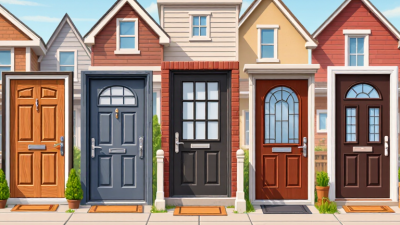
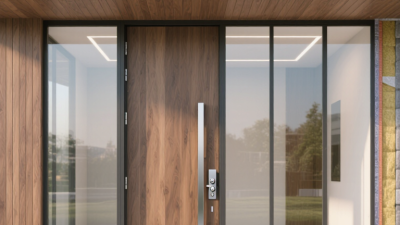
A front door should suit the house and the way people use the entrance. A simple, flat-panel design can look calm on a modern exterior, while raised panels often complement traditional trim. Glass brings daylight into a dim foyer, but consider privacy and afternoon glare before choosing a large glazed area. Keep it practical.

Measure the existing opening, not just the door slab. Many homes use a door close to 36 inches wide and 80 inches tall, but older openings can vary. Check the frame, threshold, and surrounding trim, too. A careful measurement helps prevent costly adjustments. Don’t assume the old door is perfectly square; it may have settled over time.

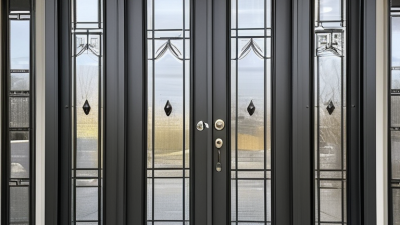
Choose a configuration that leaves enough room for daily movement. A single door suits many compact porches, while sidelights can brighten a narrow entry without requiring a wider door. Double doors make moving furniture easier, but need more clearance and may be awkward on a small landing. Think about swing direction, nearby walls, and where shoes or a bench will sit. Before ordering, confirm the rough opening and handing with a qualified installer. I would recheck those details even after measuring; entrances are rarely as tidy as they look.

What Are the Best Home Entry Doors in 2026?

Choosing a door style, size, and configuration starts with measuring the opening and considering how much clear entry space you need.

These are common nominal leaf-width options for US residential entry doors: single doors are often 30, 32, or 36 inches wide; paired doors are commonly available with two 30-, 32-, or 36-inch leaves. Measure the existing frame and rough opening before choosing a size; actual availability and requirements vary.

Assessing Installation Needs and Long-Term Maintenance

A home entry door performs well only when its frame, sill, and weather seals are installed correctly. Before choosing a model, check the rough opening for rot, uneven framing, and water staining. A new door cannot fix a damaged opening. The U.S. Department of Energy’s Energy Saver guidance recommends sealing air leaks around doors and checking weatherstripping; even small gaps can create noticeable drafts near the threshold. Ask the installer how they will flash and seal the opening, and confirm the door swings freely without rubbing.

Maintenance needs depend on material and exposure. Wood may need periodic repainting or resealing, especially on sun-facing or rain-exposed sides. Steel doors need prompt touch-ups where the finish is scratched, since exposed metal can rust. Fiberglass generally needs less finish care, but hinges, seals, and drainage paths still need inspection. Small checks matter. The 2024 Cost vs. Value report estimates a national average cost of $2,355 for steel entry-door replacement and $4,430 in resale value, a reported 188.1% cost recoup. These are market averages, not guarantees. Consider installation quality and likely upkeep alongside the purchase price.

What Are the Best Home Entry Doors in 2026? — Assessing Installation Needs and Long-Term Maintenance

Comparison of common residential entry-door materials in the U.S. Installed price ranges are broad planning estimates in USD for a standard-size replacement, generally including the door and routine installation but not major framing repairs, custom design work, or unusual hardware. Actual costs vary by location, size, glazing, finish, and opening condition.

Door Type Typical Installed Cost Installation Needs Insulation and Weather Performance Long-Term Maintenance Durability Considerations Best Suited For
Fiberglass $1,500–$5,000 Often available as a prehung unit. Accurate measurement, careful shimming, and proper flashing and weather-sealing are important; some units may need trimming limits observed. Insulated cores can provide good thermal performance. Weather performance depends on the complete door system, glazing, seals, and installation. Usually low: wash periodically, inspect weatherstripping and caulk, and refinish or repaint if the surface requires it. Generally resists rust, rot, and moisture-related swelling. Surface finish can fade or wear; impact damage may be difficult to repair invisibly. Homeowners seeking a balance of insulation, weather resistance, and relatively modest upkeep.
Steel $900–$3,500 Commonly sold prehung. The frame must be square and securely fastened; avoid damaging the skin during handling and installation. Many models use an insulated core, but performance varies with construction and glass area. Correct perimeter seals help limit drafts. Low to moderate: clean as needed, maintain paint, and promptly touch up scratches or chips to protect exposed metal. Strong for its price, but the surface can dent. Damaged coatings and persistently wet conditions can lead to corrosion. Budget-conscious projects and homeowners who want an insulated, sturdy door with a painted finish.
Solid Wood $2,000–$8,000+ Can be heavy and may require experienced installation, sound hinges, and a well-supported frame. Seasonal movement and a precise fit need consideration. Performance varies by species, thickness, construction, and glazing. Weatherstripping and a properly fitted threshold are especially important. Moderate to high: inspect the finish regularly and refinish or repaint when it begins to fail, particularly on exposed faces and edges. Repairable and visually distinctive, but wood can swell, shrink, warp, or deteriorate when exposed to moisture and temperature changes. Traditional architecture, custom designs, and homeowners who value natural material and accept ongoing care.
Aluminum $2,000–$6,000 May be supplied as a complete entry system. Confirm compatibility with the existing opening and check whether the frame is thermally broken. Thermal performance varies substantially. A thermally broken frame and insulated glazing can improve comfort; unbroken metal frames can conduct heat and cold. Generally low: clean the finish, check seals and hardware, and follow the coating maker’s care instructions. Does not rot and is naturally corrosion-resistant, though finishes can scratch and hardware or seals can wear. Modern designs and locations where a slim-frame appearance or low routine maintenance is a priority.
Composite $2,000–$6,000 Installation depends on the specific system and frame design. Follow the manufacturer’s instructions for fastening, clearances, flashing, and compatible sealants. Can offer good insulation when built with an insulated core and well-sealed frame. Compare rated whole-unit performance rather than material name alone. Usually low: periodic cleaning and inspection of seals, finish, and hardware are typical. Often designed to resist moisture and reduce problems associated with wood movement; construction and repairability differ among products. Homeowners looking for a low-maintenance alternative with a broad range of finishes and design options.